
Out of Global Upheaval Comes Benefit for All
The world is undergoing a global, nonstop maelstrom of change and, while stressful by its very nature, is necessary for growth, progress, and human evolution.

The world is undergoing a global, nonstop maelstrom of change and, while stressful by its very nature, is necessary for growth, progress, and human evolution.

In a world being transformed by unprecedented change, effective, meaningful leadership is becoming even more essential, just as quickly. That offers historic opportunities, provided we recognize what sort of leaders we need to have.

“Soft skills” are notoriously undervalued, but have never been more essential. These techniques can help you refine yours.
“If a customer is asking for something different or reacting in a new way, that can be a first indicator of a shift.”

A digital transformation strategy aims to create the agile capabilities of fully leveraging the possibilities and opportunities of new technologies and their impact faster, better and in more innovative way in the future.

Faisal Hoque, founder of Shadoka, which develops accelerators and technology solutions for sustainable growth, and author of “Everything Connects: How to Transform and Lead in the Age of Creativity, Innovation, and Sustainability”, knows what it takes to innovate and disrupt. Both require a degree of discomfort, he admits, but usually wind up paying off in the end.

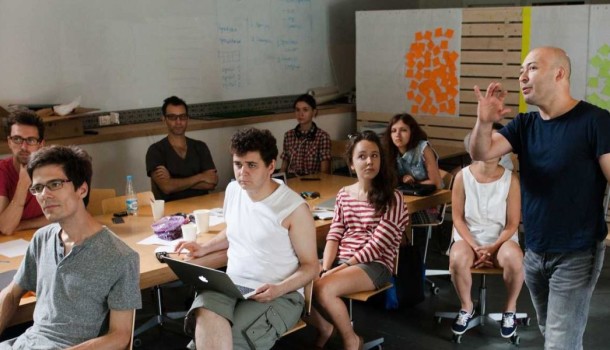
A presentation on the fundamentals, roadmap, and capabilities needed for business transformation at the Nextea Innovation Gate Seminar in Milano, Italy.

Still in the early stages of development and use, artificial intelligence, machine learning, and deep learning are already impacting how we live, work, and play. Is your organization ready to embrace and leverage these disruptive innovations?

We’ve already got self-driving cars. So what’s next for intelligent innovation in the workplace?

Transformation can be modeled, documented, and implemented as a total game-changing process. Here’s how to get it started.

Management is leadership and leadership is management. Your success may depend on it.

Innovation and technology drive everything from healthcare to education to election wins, but mismanagement can pose threats to democracy, even peoples’ lives.
Success or failure is a journey: what is today’s success is tomorrow’s failure and what is today’s failure is tomorrow’s success. Building up on a diversity of experiences is something that we all need to embrace if we want to succeed in the long run.No matter where you are in your path, do not look at it as a destination, look at it as a foundation for your next journey.

Life is a process of ongoing transformation spurred by the interlinked qualities of curiosity, purpose, and courage. Whether or not we ask it to, the journey of life can make us strong, teach us to contribute to the best of our abilities, and allow us to pursue a personal legend on our own terms. Authenticity, mindfulness, and devotion help us to embrace the careful balance between making it happen and letting it happen.
If you or your organization isn’t evolving, you are in danger of failing.
In an age of unanswerable questions, asking the right question might just be the answer.
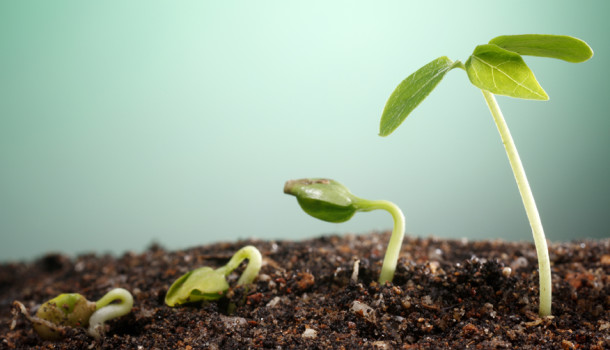
Tomorrow is today. If we or our organizations are waiting for things to get better, we’re missing the point: It’s up to us to make things better now.

If something sustains, it continues over a period of time. Living things grow. Sustainable growth for an organization requires leaders to act as a catalyst. What’s crucial, then, is to understand the nature of catalysis.