
Great Leaders Question Philosophical Assumptions
Three philosophical proficiencies for leading in a world where old certainties are breaking down.

Three philosophical proficiencies for leading in a world where old certainties are breaking down.

How to maintain your edge—and your humanity—as AI redefines the workplace.

These two specific types stand out.

Hesse wrote a man who had everything, felt nothing—and wrote the way out.

As a leader, how much should you rely on AI?

Regenerative leadership can be an effective antidote to AI doomerism.

Organizations that view AI as just another technology project will increasingly find themselves irrelevant.
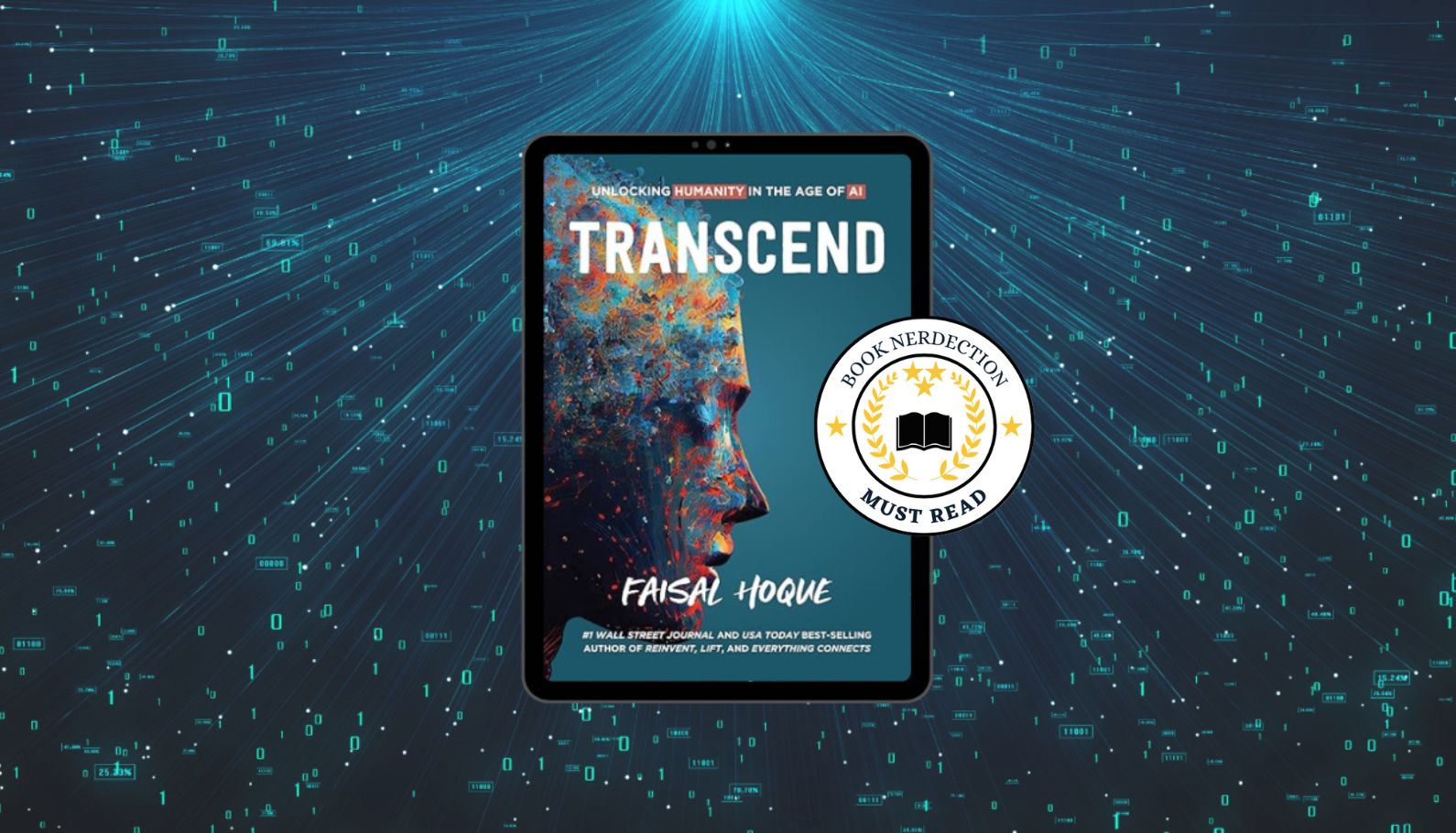
Nerdection Rating: “Nerdection Must Read”
Transcend: Unlocking Humanity in the Age of AI: A Conversation with Faisal Hoque

Businesses must navigate opportunities and ethical considerations.
Three philosophical proficiencies for leading in a world where old certainties are breaking down.
Hesse wrote a man who had everything, felt nothing—and wrote the way out.

Following on from our IMD Brain Circuit on the risks that can arise from your own implementation of AI, here’s how to defend against external disruption.

The strongest person you know is running on empty. It might be you.
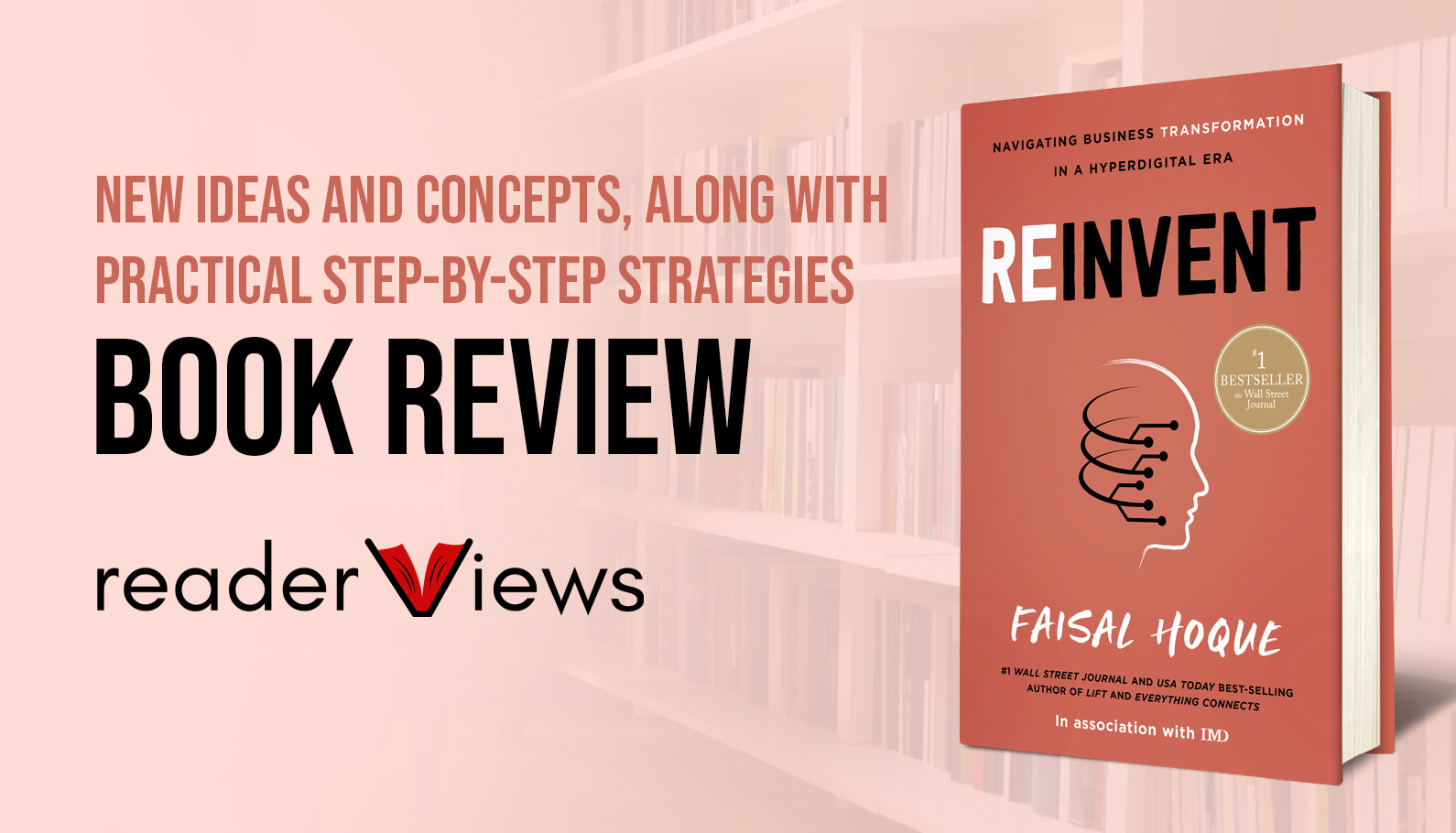
Companies that hope to remain relevant, Hoque says, must eschew the status quo.
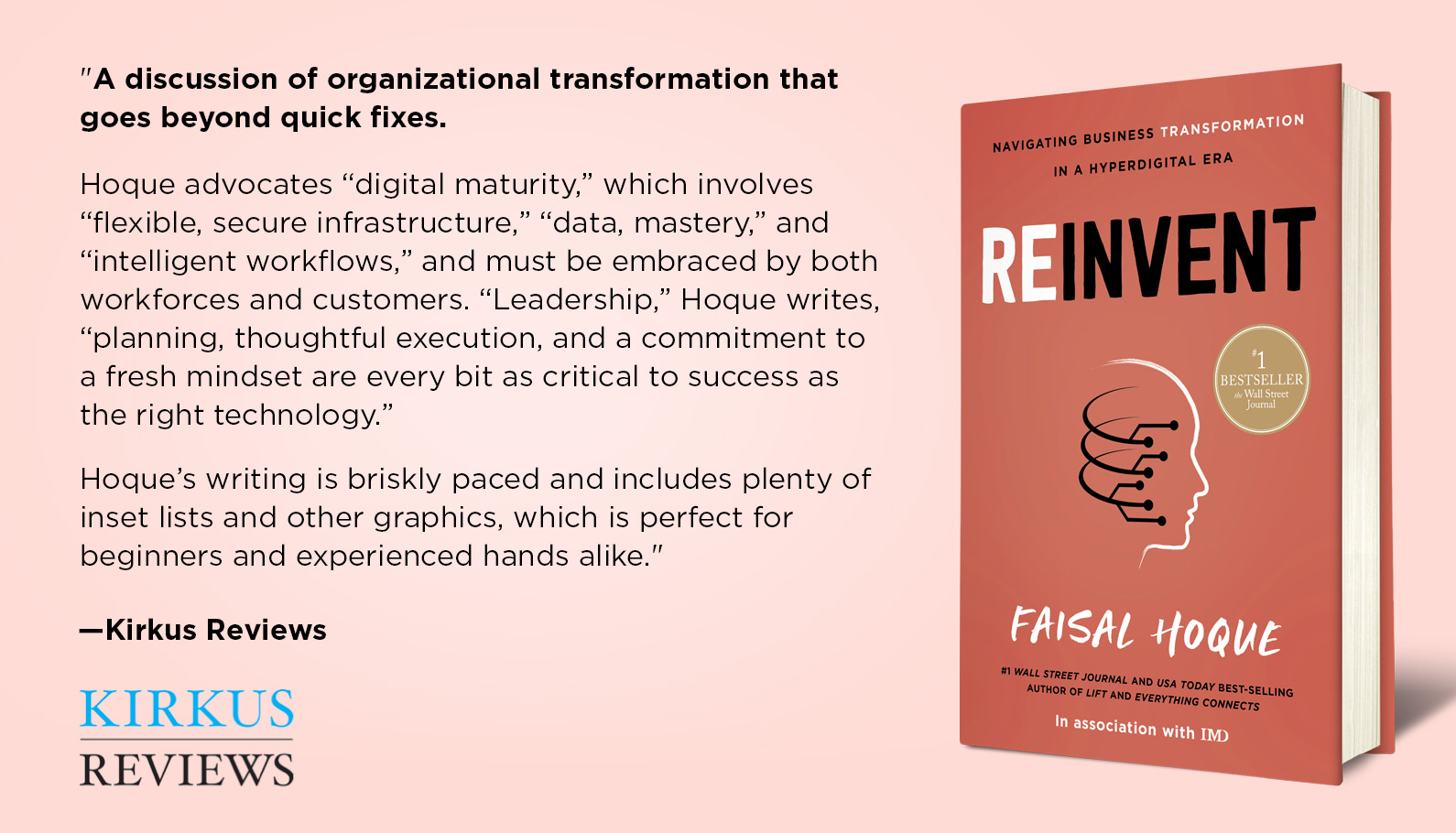
“Planning, thoughtful execution, and a commitment to a fresh mindset are every bit as critical to success as the right

Panaceas are hard to come by. And artificial intelligence (AI) is certainly no exception.

Fifty percent of businesses undergoing digital transformation don’t employ metrics to gauge progress.

PPM is an organization-wide focus on defining, gathering, categorizing, analyzing and overseeing corporate assets and activity.

AI is now top of mind for company executives, but with experts warning of risks to society, companies need to
How to maintain your edge—and your humanity—as AI redefines the workplace.
These two specific types stand out.

Here’s how to build the new capabilities.

Six 90-day plans that provide a comprehensive roadmap for AI transformation.
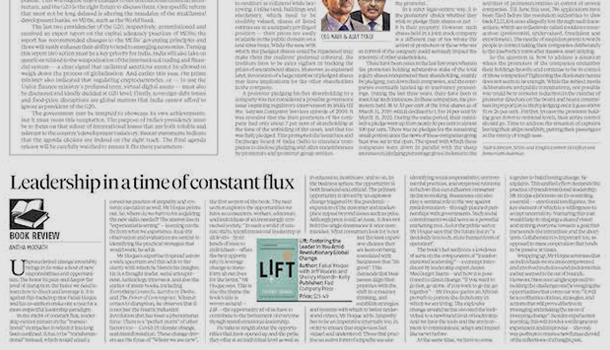
Unprecedented change invariably brings in its wake a host of new responsibilities and opportunities.

How to work with yourself and others. The newest problems of the world find solutions in the oldest timeless practices

…a three-part read gracefully outlining the causes of global change, and the transformational abilities they offer.

“Hoque shows how some previously under appreciated strengths – help move us steadily along a path marked by unexpected crises

How to master the intersection of transformational leadership, systemic thinking, and experiential learning.

It seems reasonable to agree that digital technology is a decidedly two-edged sword, capable of both significant good and unscrupulous
Three philosophical proficiencies for leading in a world where old certainties are breaking down.
How to maintain your edge—and your humanity—as AI redefines the workplace.
These two specific types stand out.
Here’s how to build the new capabilities.
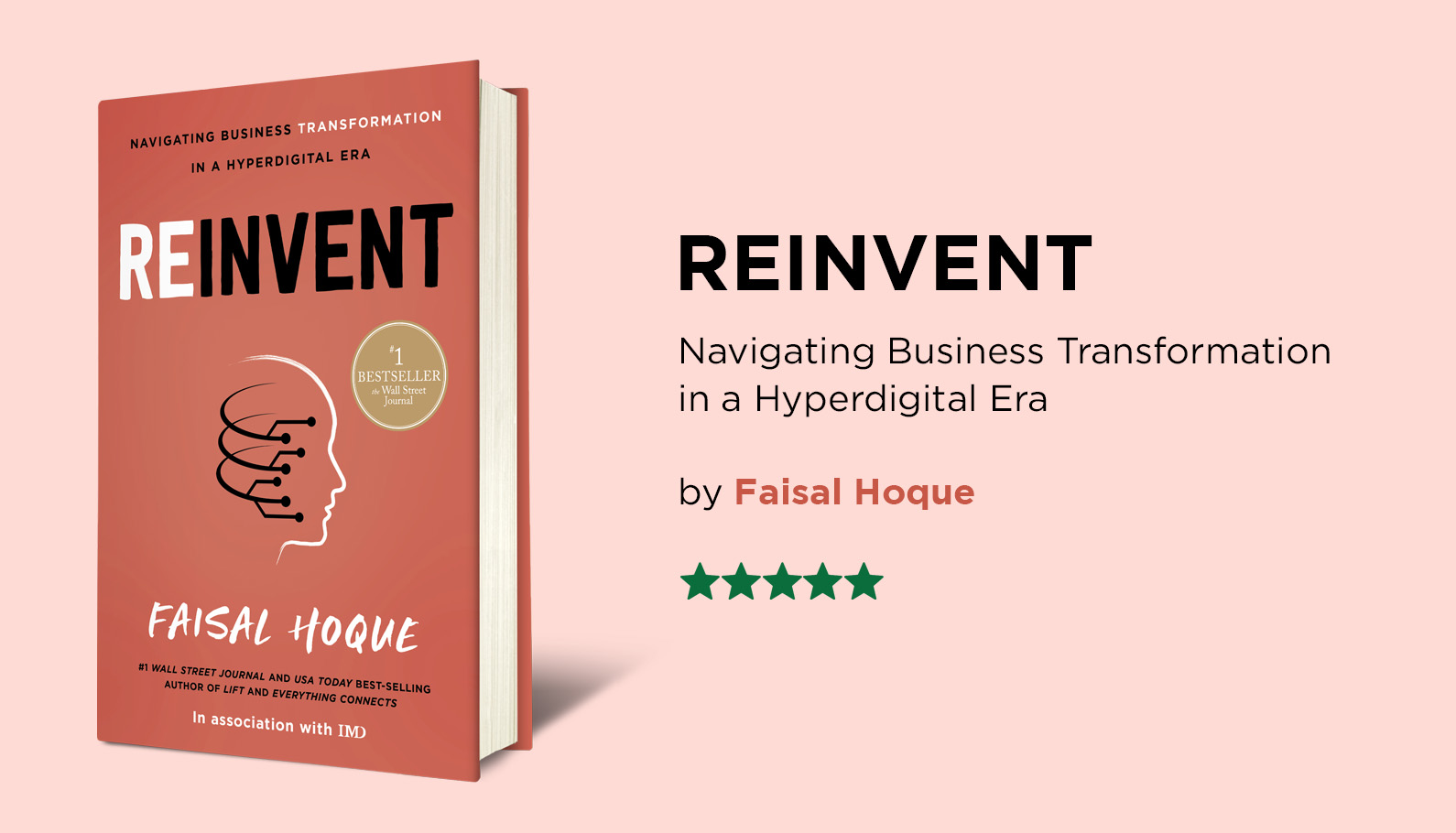
It’s the partnership of mindset and framework that really sells this incredible book.
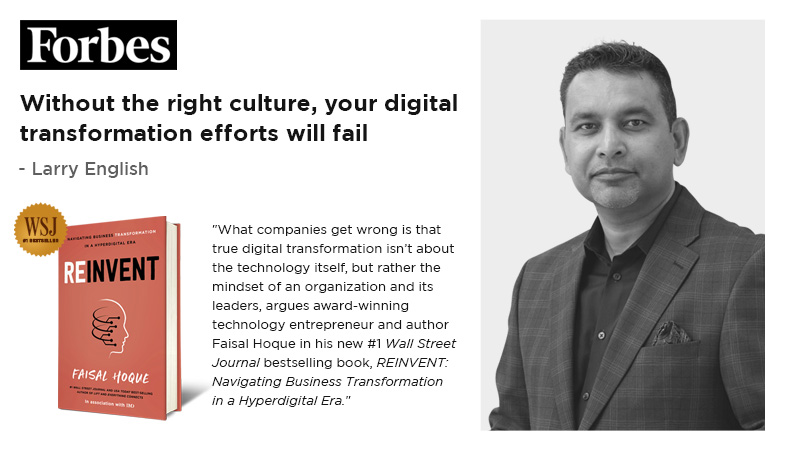
What organizations get wrong is that true transformation isn’t about the technology itself, but rather the mindset of an organization.

Companies may be tempted to cut their R&D spending, but that would be a grave mistake.
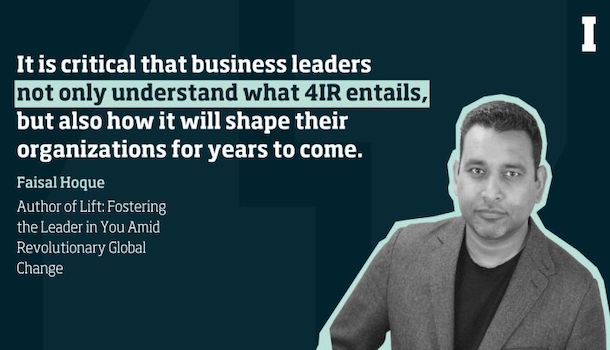
The union of digital, biological, and physical innovations promises to fundamentally transform business models.

The plain truth is that reinvention is involved, frequently exhausting and undeniably challenging.

Transformation means much more than plugging in new technology and flipping the switch. Leadership needs to be every bit as
Hesse wrote a man who had everything, felt nothing—and wrote the way out.
The strongest person you know is running on empty. It might be you.

The future belongs to people who can think with AI—without thinking like it.

The death of boredom is quietly eroding creativity, identity, and self-awareness.