Great Leaders Question Philosophical Assumptions
Three philosophical proficiencies for leading in a world where old certainties are breaking down.

Three philosophical proficiencies for leading in a world where old certainties are breaking down.

Europe is treating digital sovereignty as a question of self-determination. Every business should now do the same.

How to maintain your edge—and your humanity—as AI redefines the workplace.

These two specific types stand out.
Inside the fall and rise of ‘unbossing.’

Mistrust, division, and privacy.

What should you do when a machine steals your self?

Success depends on mastering the art of convergence.

Four questions to guide the implementation of responsible AI – and how Confucius and Adam Smith can help.

How to use AI without losing the ability to think for yourself.
Three philosophical proficiencies for leading in a world where old certainties are breaking down.

Hesse wrote a man who had everything, felt nothing—and wrote the way out.

Following on from our IMD Brain Circuit on the risks that can arise from your own implementation of AI, here’s how to defend against external disruption.
The strongest person you know is running on empty. It might be you.
How we can be responsible stewards of AI.

When algorithms discriminate or polarize, they’re not malfunctioning.
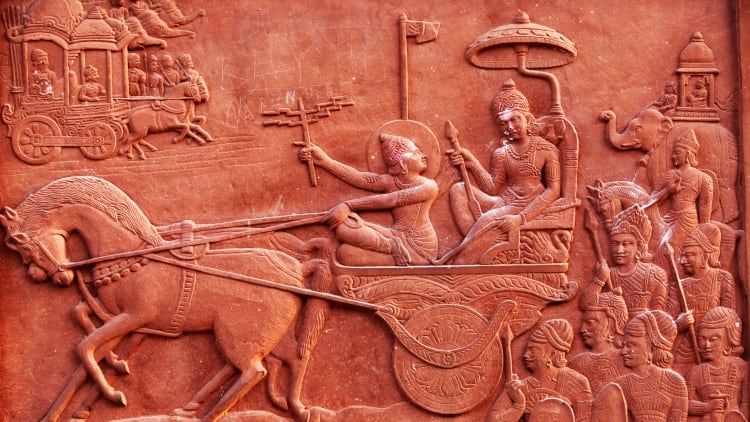
2,000 years later, human choices still matter most.
Companies need a Chief Innovation and Transformation Officer to oversee the AI cultural shifts.

How to reclaim agency in a world increasingly shaped by AI.
Slowing down to speed up works better.
Europe is treating digital sovereignty as a question of self-determination. Every business should now do the same.
How to maintain your edge—and your humanity—as AI redefines the workplace.
These two specific types stand out.

Here’s how to build the new capabilities.

How to unlock AI’s full potential while also protecting humanity.
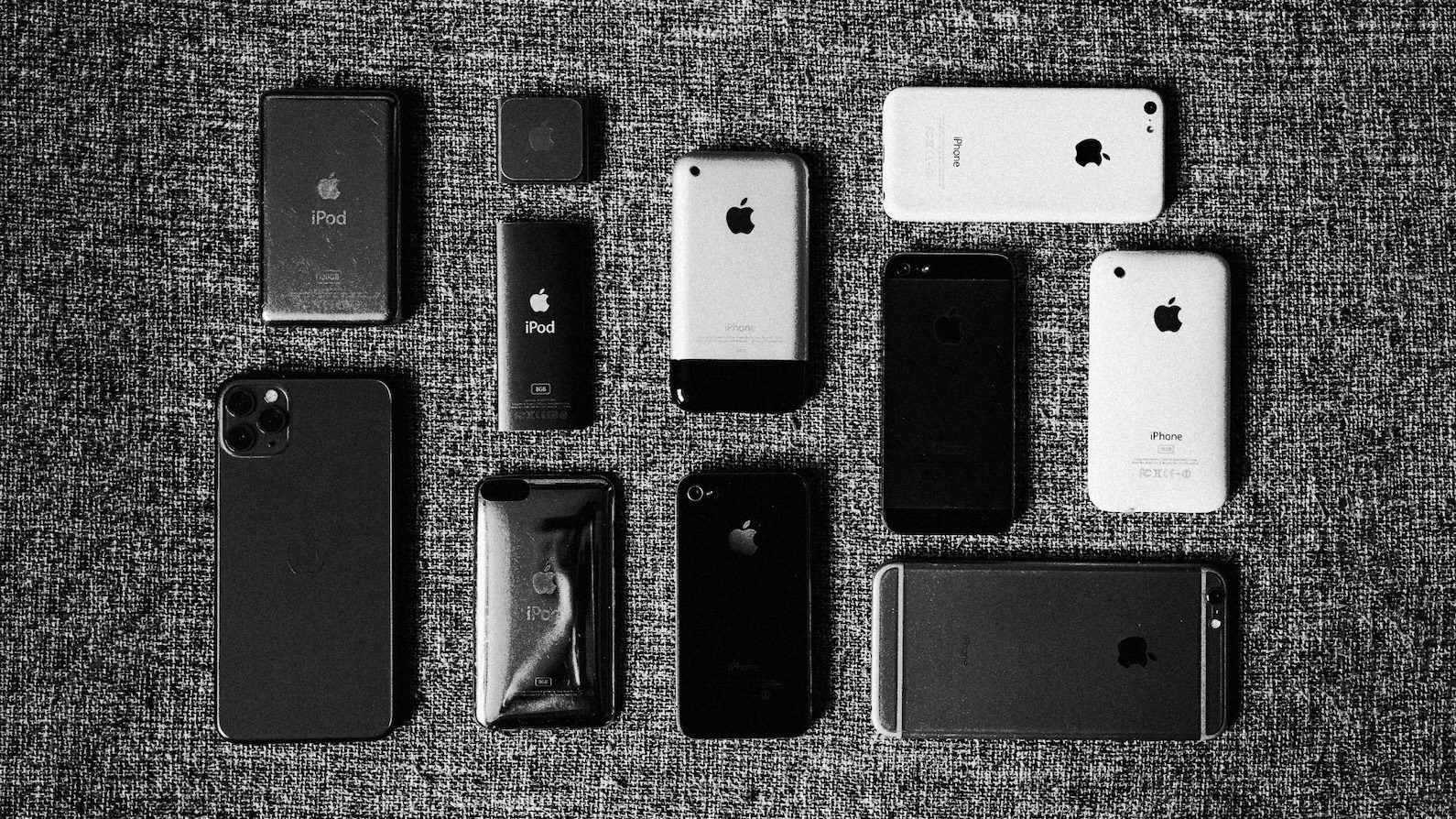
With rapid advances in tech, there’s a risk we will lose the core human skills.
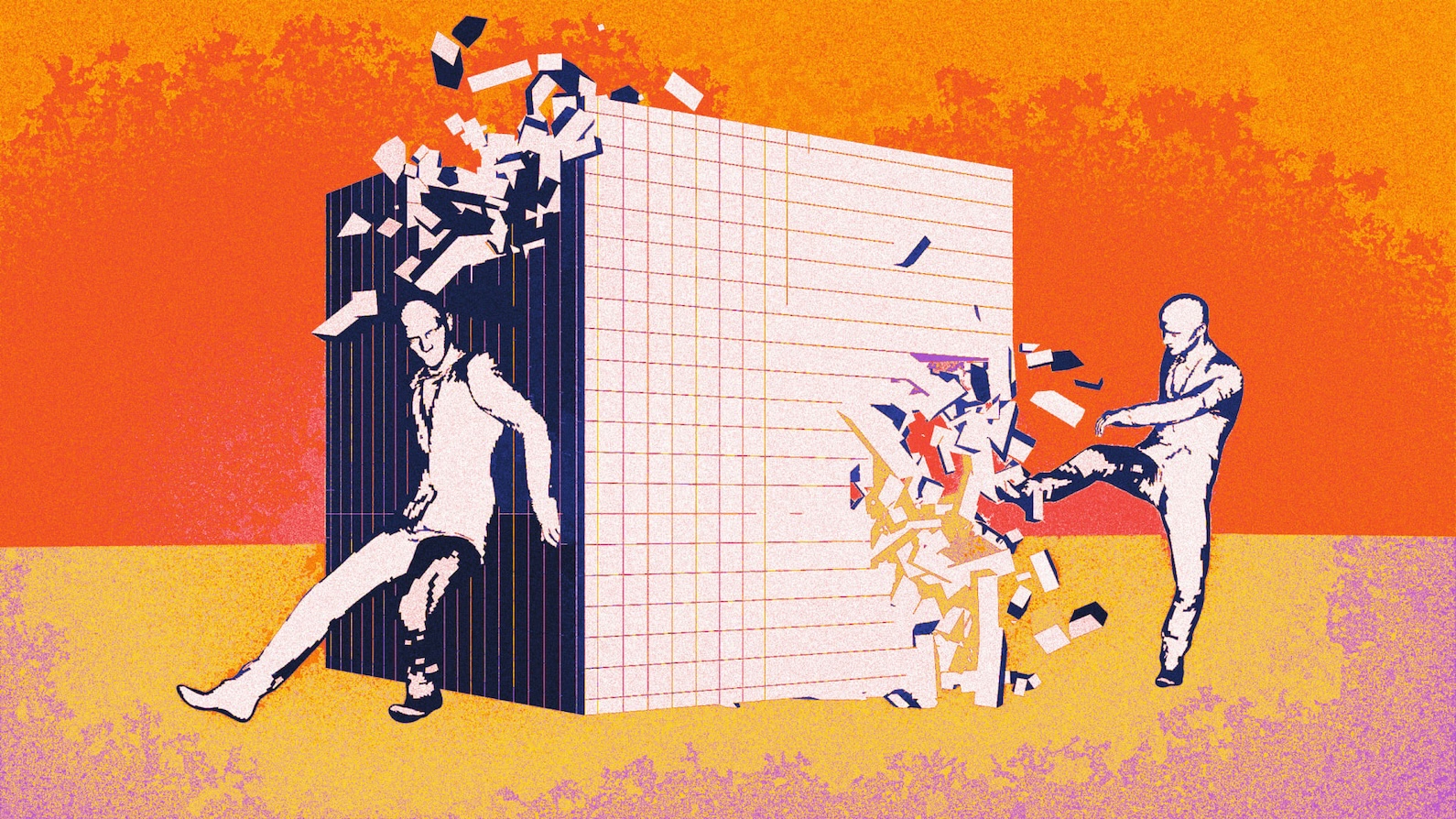
In the era of the Stargate Project and China’s AI threat, we urgently need regulation.
Unlocking new possibilities for precision medicine.

Responsible innovation and responsible utilization is first and foremost.
How do you know what kind of human/AI partnership is best for your company?
Three philosophical proficiencies for leading in a world where old certainties are breaking down.
Europe is treating digital sovereignty as a question of self-determination. Every business should now do the same.
How to maintain your edge—and your humanity—as AI redefines the workplace.
These two specific types stand out.
2,000 years later, human choices still matter most.
Companies need a Chief Innovation and Transformation Officer to oversee the AI cultural shifts.
How to reclaim agency in a world increasingly shaped by AI.
Slowing down to speed up works better.

Beyond hype, we can create a framework for weighing up the practical impact of AI.

These tools will get even smarter, automatically adjusting investments.
Hesse wrote a man who had everything, felt nothing—and wrote the way out.
The strongest person you know is running on empty. It might be you.

The future belongs to people who can think with AI—without thinking like it.

The death of boredom is quietly eroding creativity, identity, and self-awareness.

Conquering fear is about self-awareness, wisdom, and understanding your strengths–often in the face of adversity. Luckily these are personality traits
Along with one of the highly acclaimed must read business books “Everything Connects”; in 2014 Shadoka founder Faisal Hoque also

Mindfulness helps us see the ways in which our actions aren’t in correlation with ideals we have about ourselves, and

A boy from Malawi teaches us how to tackle socio-economic issues with innovation.

Survival in life or in business has always been about the human journey. Find out how Lego and its founder

This timely wisdom comes from the heart of an unlikely yet self-proclaimed student of life, Faisal Hoque, who is in