Great Leaders Question Philosophical Assumptions
Three philosophical proficiencies for leading in a world where old certainties are breaking down.

Three philosophical proficiencies for leading in a world where old certainties are breaking down.

Europe is treating digital sovereignty as a question of self-determination. Every business should now do the same.

How to maintain your edge—and your humanity—as AI redefines the workplace.

These two specific types stand out.

And how to avoid falling into those traps.

The uncomfortable truth about shortcuts and what mastery really takes.

Here’s how to stand out.

How to cultivate the human skills that machines can’t replace.
Here’s how to stand out.

Here’s how to stand out.
Three philosophical proficiencies for leading in a world where old certainties are breaking down.

Hesse wrote a man who had everything, felt nothing—and wrote the way out.

Following on from our IMD Brain Circuit on the risks that can arise from your own implementation of AI, here’s how to defend against external disruption.

The strongest person you know is running on empty. It might be you.

Bridging the gap between AI hype and business value starts at the top.

Why AI’s future depends on understanding human emotion, not just patterns.

We need intentional direction not constant change and disruption.

Today’s managers have to guide both human professionals and AI systems.

What an Amazonian tribe teaches us about technology.

Why the future of food must stay human in a world obsessed with efficiency.
Europe is treating digital sovereignty as a question of self-determination. Every business should now do the same.
How to maintain your edge—and your humanity—as AI redefines the workplace.
These two specific types stand out.

Here’s how to build the new capabilities.

How to survive and thrive in a world where nothing feels certain.
How we can be responsible stewards of AI.

When algorithms discriminate or polarize, they’re not malfunctioning.
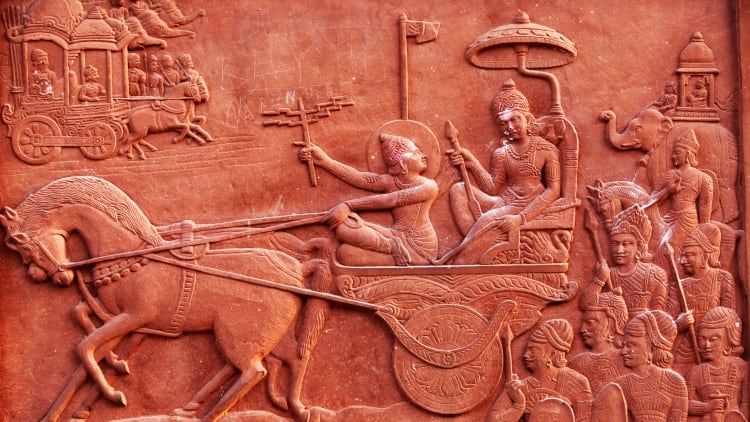
2,000 years later, human choices still matter most.

How to reclaim agency in a world increasingly shaped by AI.
Slowing down to speed up works better.
Three philosophical proficiencies for leading in a world where old certainties are breaking down.
Europe is treating digital sovereignty as a question of self-determination. Every business should now do the same.
How to maintain your edge—and your humanity—as AI redefines the workplace.
These two specific types stand out.
Today’s managers have to guide both human professionals and AI systems.
What an Amazonian tribe teaches us about technology.
Why the future of food must stay human in a world obsessed with efficiency.
CEOs who fail to develop comprehensive strategies risk being left behind.
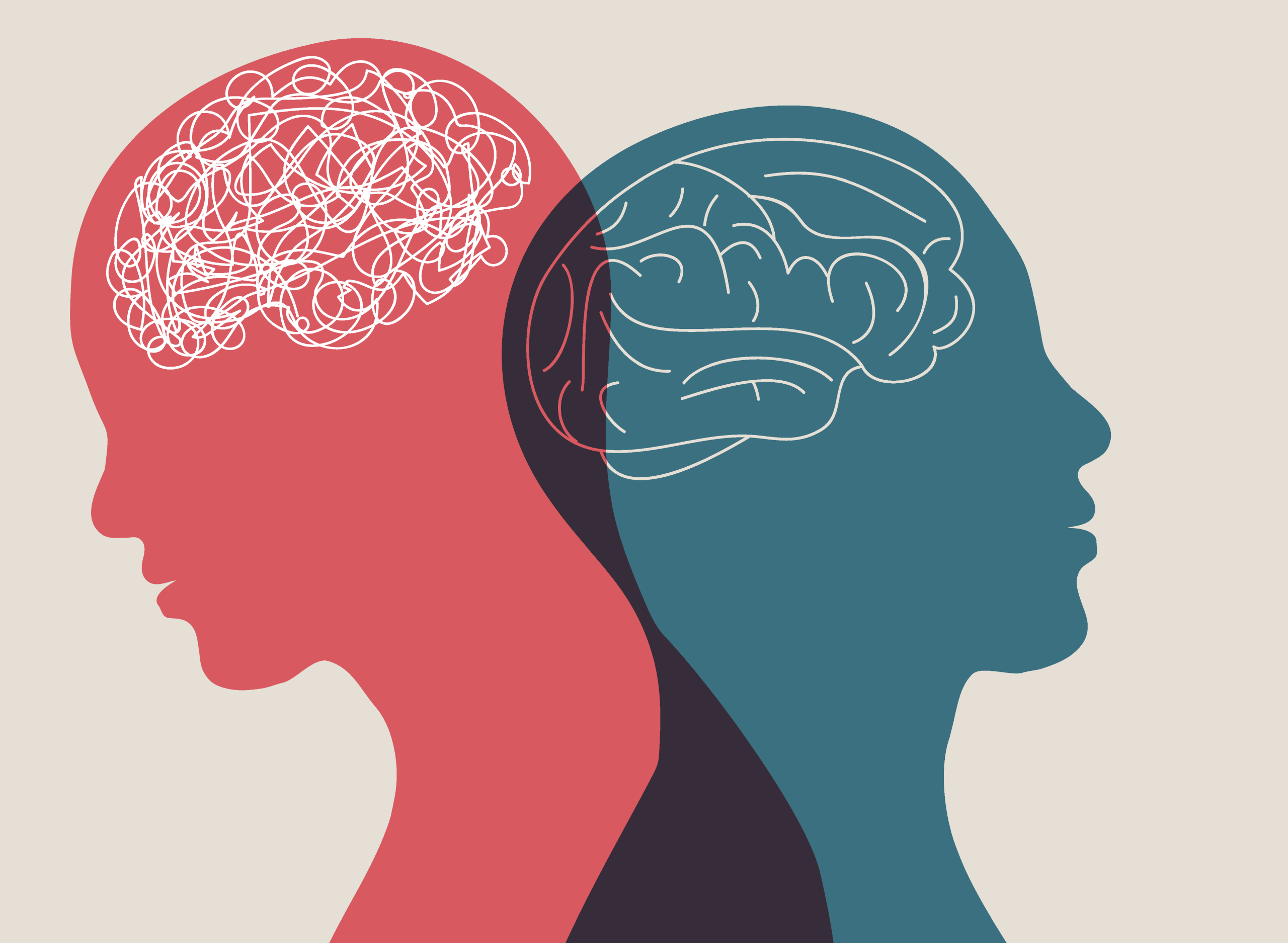
Are we losing touch with the value of being flawed?

Why old assumptions may not apply to AI and the future of work.
Hesse wrote a man who had everything, felt nothing—and wrote the way out.
The strongest person you know is running on empty. It might be you.

The future belongs to people who can think with AI—without thinking like it.

The death of boredom is quietly eroding creativity, identity, and self-awareness.

When the odds are long and there’s no help in sight, it’s our own skills that save us.

Our minds have an enormous capacity to connect the invisible dots to guide us to strive for the impossible.

What entrepreneurial-minded people have most of all — above inspiration, focus, skills, financing, brilliant ideas, etc. — is that they

Success often has much more to do with perseverance than it does with a person’s innate qualities.

Entrepreneurs are praised for their triumphs, but what about their struggles and the journeys that brought them to success?

Changing self-doubt into self-belief is a choice. We are answerable for ourselves. Only we can change what and who we