
Great Leaders Question Philosophical Assumptions
Three philosophical proficiencies for leading in a world where old certainties are breaking down.

Three philosophical proficiencies for leading in a world where old certainties are breaking down.

Europe is treating digital sovereignty as a question of self-determination. Every business should now do the same.

How to maintain your edge—and your humanity—as AI redefines the workplace.

These two specific types stand out.
Why deep thinking can’t be rushed.

The hidden cost of outsourcing human judgment.

Authentic connection begins with the inner work of presence and letting go.

Here’s how global firms can respond while managing opportunities and risks.

To prepare for the future, start with stoicism and history.

A strategic leadership guide.
Three philosophical proficiencies for leading in a world where old certainties are breaking down.

Hesse wrote a man who had everything, felt nothing—and wrote the way out.

Following on from our IMD Brain Circuit on the risks that can arise from your own implementation of AI, here’s how to defend against external disruption.

The strongest person you know is running on empty. It might be you.

A practical road map to unlocking AI’s true value in the public sector.

What individuals, leaders, and governments must do now.

Why our need for connection could be making us more isolated.

How can organizations best navigate the volatility of AI advancement?

How to effectively integrate human talent with AI personas and agents to create something greater.

What individuals, leaders, and governments must do now.
Europe is treating digital sovereignty as a question of self-determination. Every business should now do the same.
How to maintain your edge—and your humanity—as AI redefines the workplace.
These two specific types stand out.

Here’s how to build the new capabilities.

What an Amazonian tribe teaches us about technology.

Why the future of food must stay human in a world obsessed with efficiency.
CEOs who fail to develop comprehensive strategies risk being left behind.
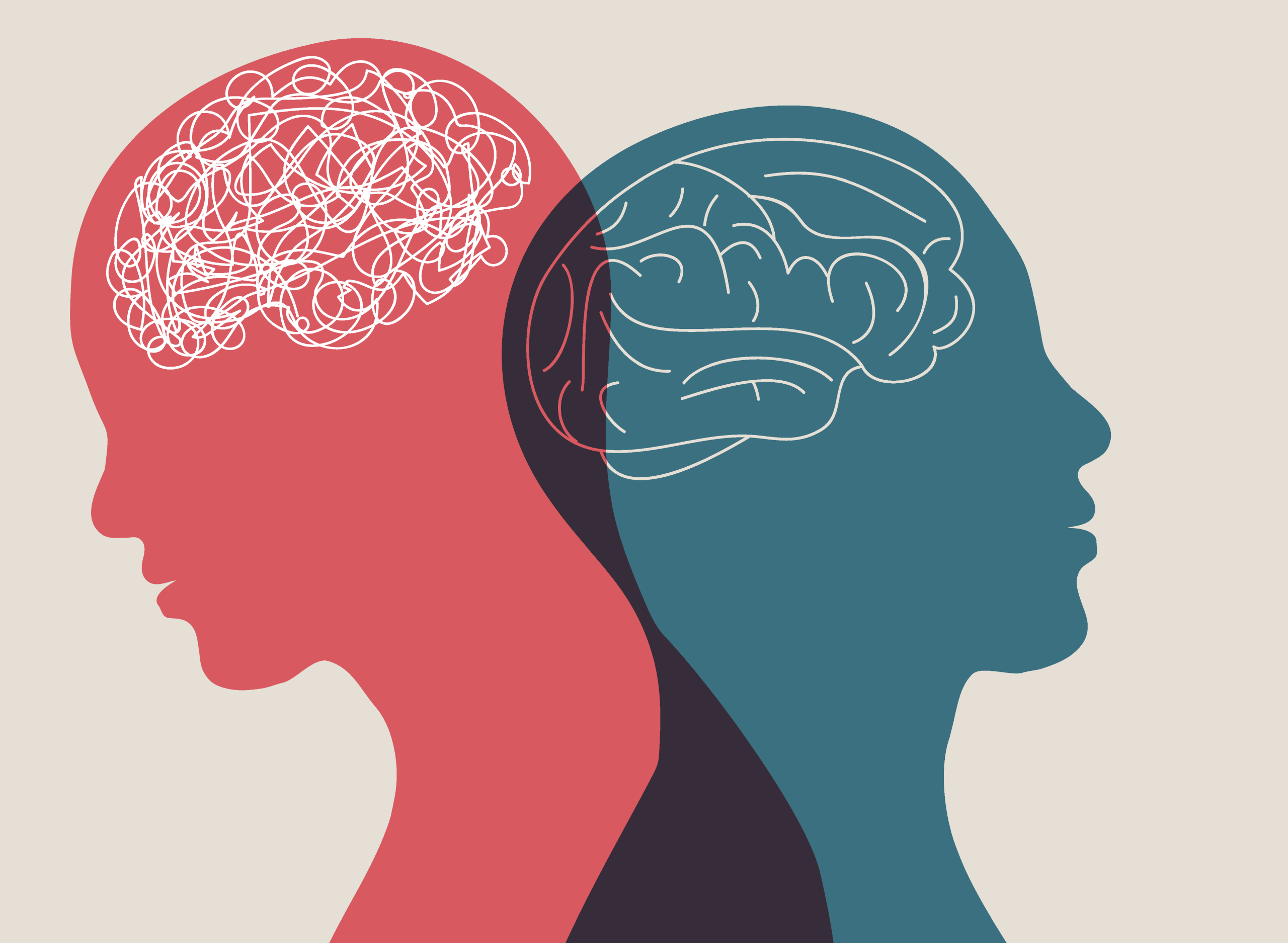
Are we losing touch with the value of being flawed?

Why old assumptions may not apply to AI and the future of work.

The hidden habits behind our interactions with AI.
Three philosophical proficiencies for leading in a world where old certainties are breaking down.
Europe is treating digital sovereignty as a question of self-determination. Every business should now do the same.
How to maintain your edge—and your humanity—as AI redefines the workplace.
These two specific types stand out.
How can organizations best navigate the volatility of AI advancement?
How to effectively integrate human talent with AI personas and agents to create something greater.
What individuals, leaders, and governments must do now.

Bridging the gap between AI hype and business value starts at the top.

Why AI’s future depends on understanding human emotion, not just patterns.

We need intentional direction not constant change and disruption.
Hesse wrote a man who had everything, felt nothing—and wrote the way out.
The strongest person you know is running on empty. It might be you.

The future belongs to people who can think with AI—without thinking like it.

The death of boredom is quietly eroding creativity, identity, and self-awareness.

Remember why you’re doing this in the first place.

Faster doesn’t necessarily mean better. With patience, we move forward by slowing down.

Adjust your expectations before setting out. The outcome can fall short of your ideal and still count as success.

In life’s journey there are many encounters. Some are planned, some are by accident, and some by divine intervention.

Success often results from simple detours or mistakes made by people on alternative quests.

Faisal Hoque, founder of Shadoka and author of “Survive to Thrive,” shares his tips on how to stay calm in