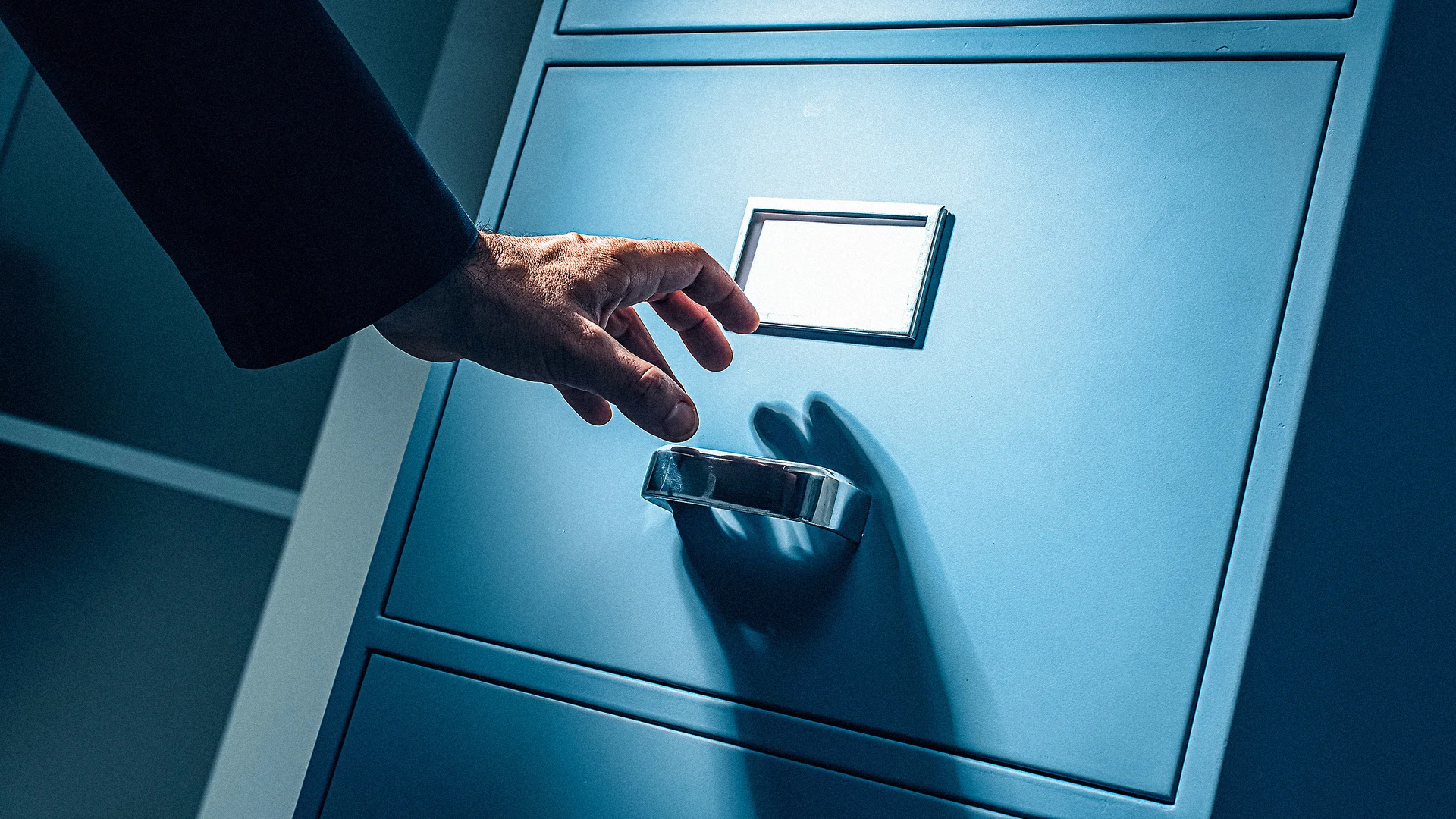
We’ve engineered boredom out of existence. But boredom fuels creativity, self-reflection, and growth. It’s time to reclaim the void.
KEY POINTS
- AI and technology have made boredom nearly impossible – and that’s a serious problem.
- Research shows boredom activates the brain’s default mode network, sparking creativity and innovation.
- Without boredom, children never learn to generate meaning; adults never pause to examine their lives.
- Reclaiming boredom requires deliberate effort: Schedule nothing, walk without input, sit with silence.
I was in the check-out queue of my local supermarket. It was long and moving slowly. I’d forgotten my phone in the car, so I just stood there, waiting as the minutes dragged out. I stared at the cashier. I stared at the aisles. I stared at the ceiling. Hmm. What could I stare at now, I wondered?
I felt … weird. Not angry, not excited, not sad, not happy. What was this strange feeling?
Suddenly, I got it.
I was bored. It had taken me a moment to recognize the feeling because it had been so long since I had last felt it.
The machine is always there, isn’t it? The moment the mind begins to wander, we reach. Back in prehistory, there was thing called a radio, and then came television. People filled their evenings with shows. Then came Google and YouTube, followed by the hellscape of social media. Always something to do, always something to keep us occupied.
AI takes this a step further. Social media can ignore you—your post gets no likes, the group chat moves on without you—but algorithms never will. They always have time for you. And it’s not just time, either. They always care about you, attend to you, shape themselves around you and remember what you care about. Algorithmic engagement never runs dry.
It is practically impossible to be bored nowadays because there is something of interest just inches or seconds away. Perhaps this is progress of a sort, but it is also destroying something essential.
Boredom Fuels Innovation
We treat boredom as if it were a disease: something to cure, escape, or optimize away. But research tells a very different story.
Psychologists Sandi Mann and Rebekah Cadman at the University of Central Lancashire in the UK found that boredom can be surprisingly good for creativity. In their studies, people who first endured a dull task —such as copying or reading phone numbers from a directory—generated more creative responses afterward than those who skipped the boredom. The point isn’t that boredom kills the mind. It may be what nudges the mind to wander, with that wandering then leading to good ideas.
Neuroscience helps explain why this happens. When nothing external fully claims our attention, the brain’s default mode network (DMN) comes online. This is the system involved in memory, imagination, self-reflection, future thinking, and mind-wandering. It’s not a magic creativity button—insight also needs other networks that test and refine ideas—but the DMN helps explain why good ideas so often arrive in the shower, on a walk, or during a dull task. When we’re bored, the mind has fewer external hooks to grab onto. So it turns inward, wandering through memories, possibilities, and associations, which is how innovation happens.
What We Lose When We Lose Nothing
It’s about more than innovation. Without boredom, children don’t develop the internal resources to generate their own meaning. A child who is never bored—whose every idle moment is filled by a screen or an app or a voice that responds—may never learn to tolerate the discomfort that precedes imagination. The imaginary worlds, the strange games, the bizarre stories children invent: These are born in the empty hours. Take away the emptiness and you take away the ability to create magic from nothing.
The cost is no less significant for adults When every moment is filled with engagement, we never encounter ourselves in silence. We stay stimulated—and never pause long enough to ask whether any of it matters.
Without boredom, we lose one of the most important conditions for deep self-reflection. We lose that unstructured empty time when the questions that we have been avoiding bubble up and confront us: What do I actually want? What am I avoiding? Is this the life I intended to build?
Some of the most important steps in my own journey came from moments of nothing, stretches of boredom in which the absence of stimulation forced my mind to wander into territory I wouldn’t have chosen consciously. Boredom was the uninvited guest that brought the gift I didn’t know I needed.
Boredom won’t return on its own. Machines are too available, too responsive—simply too good at filling the gap. In our time, reclaiming boredom must be a deliberate act.
Here are five ways to start:
- Schedule nothing. Block 20 minutes with no input: no phone, no book, no meditation app. Not mindfulness. Just emptiness. Let your mind do whatever it does.
- Delay the prompt. When you want to ask the machine, wait. Give your own mind 10 minutes with the question first. You may be surprised by what surfaces.
- Walk without input. No podcast, no music, no notifications. Let boredom accompany you. Notice what your mind reaches for when nothing is offered.
- Do something dull on purpose. Wash the dishes without a podcast. Fold laundry in silence. These aren’t just chores; they’re invitations for the default mode network to do its work.
- Protect your children’s boredom. When they say “I’m bored,” resist the urge to fix it. That boredom is not a problem. It’s the beginning of something they need to build themselves.
Tune Out. And Let the Silence Return
I paid for my groceries and walked back to my car. Immediately, I looked at my phone. Thirty-seven notifications while I had been gone and new pings coming in even as I looked. I went to my email and was about to start typing. Then I stopped and turned my phone off.
Technology offers us infinite engagement. But too much engagement is noise.
The truth is, we have a deep need for silence. The empty space is not a void to be filled. It’s fertile ground. It’s where creativity germinates, where self-knowledge forms, where the questions that matter most have room to surface.
Let me be clear. I am not saying: use the silence to be mindful or meditate. I am not suggesting a clever way of optimizing the emptiness.
I am saying: be bored.
Let the empty space be empty.
Let the silence be silent.
[Feature Photo Source: luismolinero/Adobe Stock]
Original article @ Psychology Today.