
Healthcare built for you: AI and the personalization of medicine
My son was diagnosed at 18 with a disease that mostly strikes people in their late sixties. It changed how I think about AI.

My son was diagnosed at 18 with a disease that mostly strikes people in their late sixties. It changed how I think about AI.
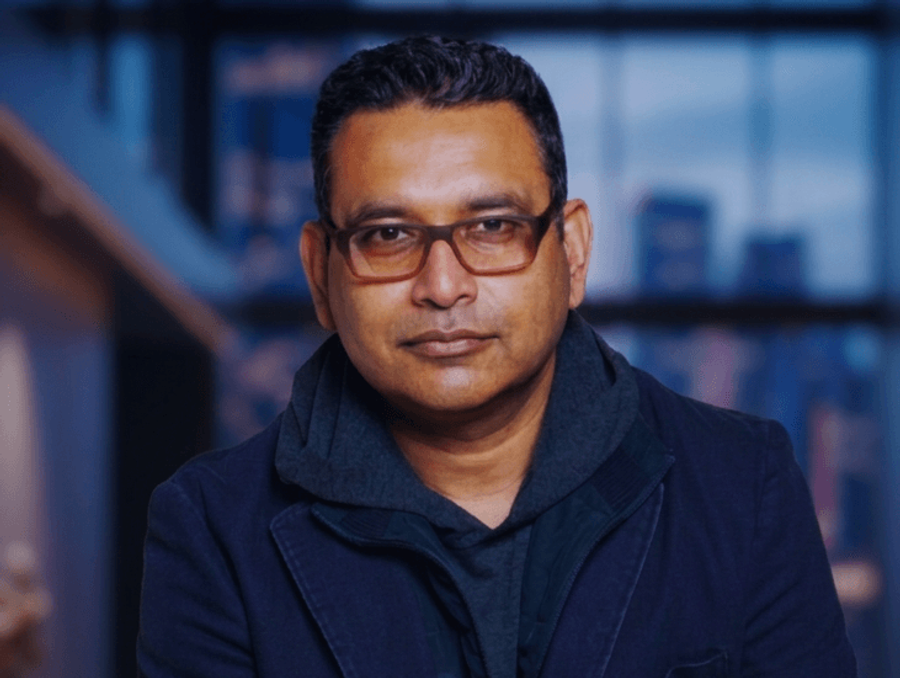
Faisal Hoque on why structural integrity, governance and human oversight – not speed – are the CIO’s real test in the agentic enterprise

Most AI redesigns start with a task list. That’s why they fail. Start with what the role is for, and the picture changes completely.

The hard part of AI is not deploying the technology. It is reimagining the work, and the workforce that will do it.
From Selling Stereo Components to Shaping the Age of AI

Amid warnings from industry insiders that AI will soon outpace human control, IMD’s experts break down where business leaders should be focusing their attention.

AI shaming has jumped from the arts into the workplace. Smart leaders match the rules for AI use to what the work is actually for.

Decisional and adaptive sovereignty belong on every board’s agenda.

Is it any wonder? ‘This is like asking a turkey to vote for Christmas.’

If leaders default to headcount reduction, the result will be an organization that is smaller but not smarter.
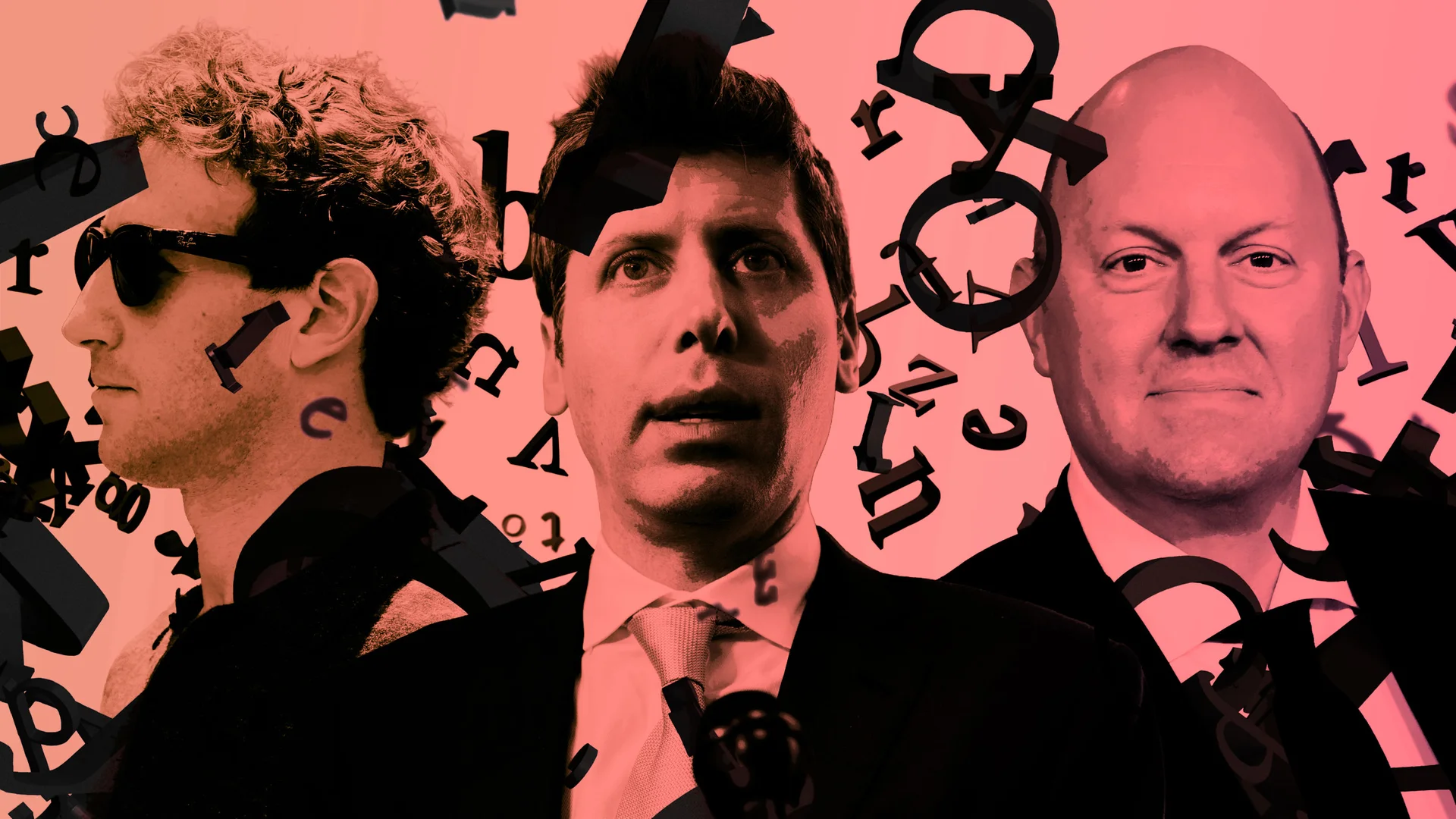
For all their power, the authors do not control what happens next. They still need something from the rest of us. And the manifestos reveal what that is.

Half of U.S. workers use AI to write their messages. Here’s how to lead when machines do the talking.
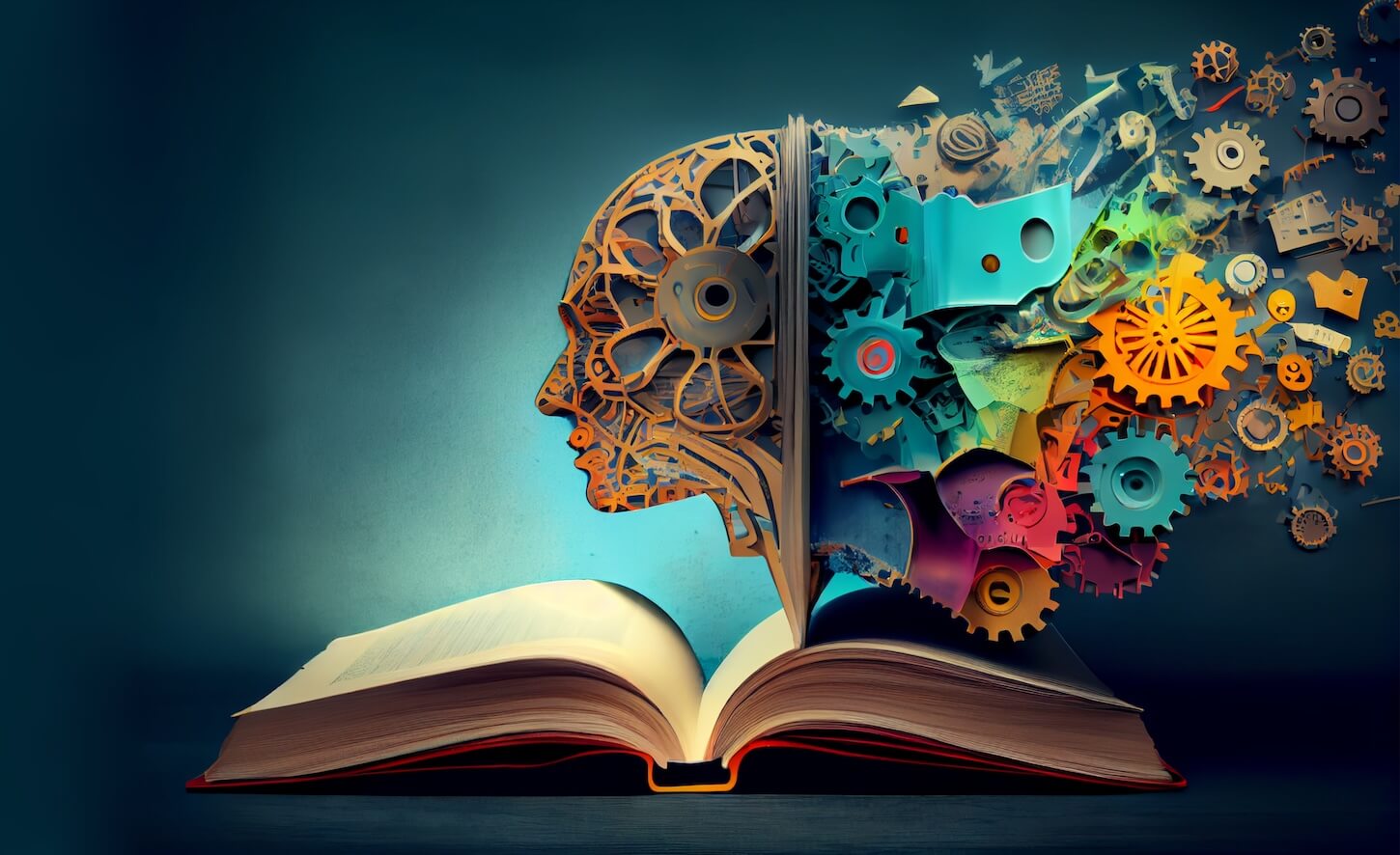
Rethinking Knowledge Management Principles for an AI-Powered World
Stop looking for the last destination. Start building the next one.

If your AI roadmap assumes young people will lead adoption, you’re building on a myth.

AI is taking over the front line. Whether that deafens your company or sharpens its hearing depends on decisions leaders make now.

Working with a tireless machine makes stopping feel like failure.

Decisional and adaptive sovereignty belong on every board’s agenda.