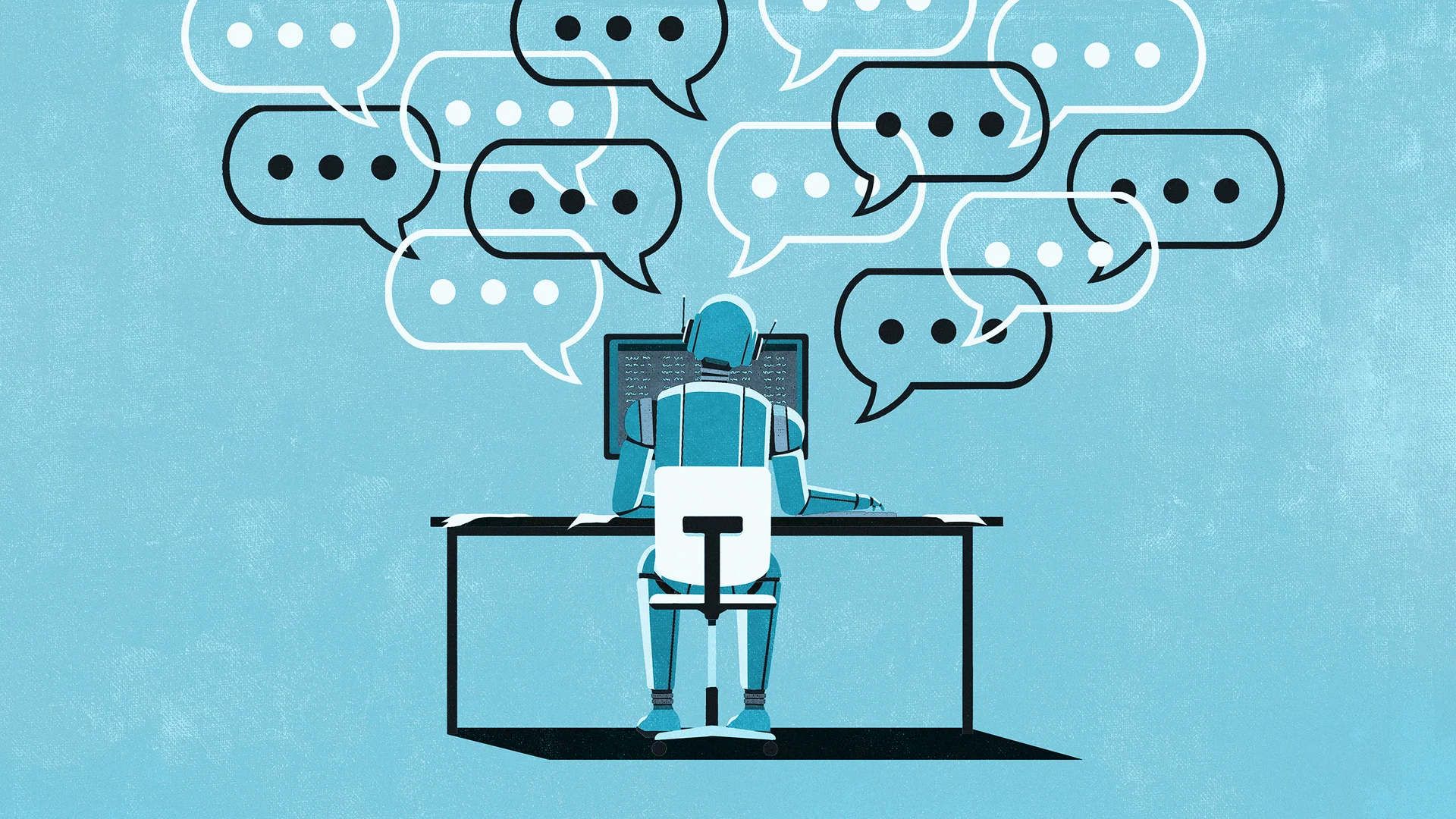
Your AI is emailing my AI—and nobody’s in charge
Half of U.S. workers use AI to write their messages. Here’s how to lead when machines do the talking.

Half of U.S. workers use AI to write their messages. Here’s how to lead when machines do the talking.

Sam Altman says the singularity is here and will be ‘hugely positive, awesome for the world.’ So what is the singularity, and why does it matter?
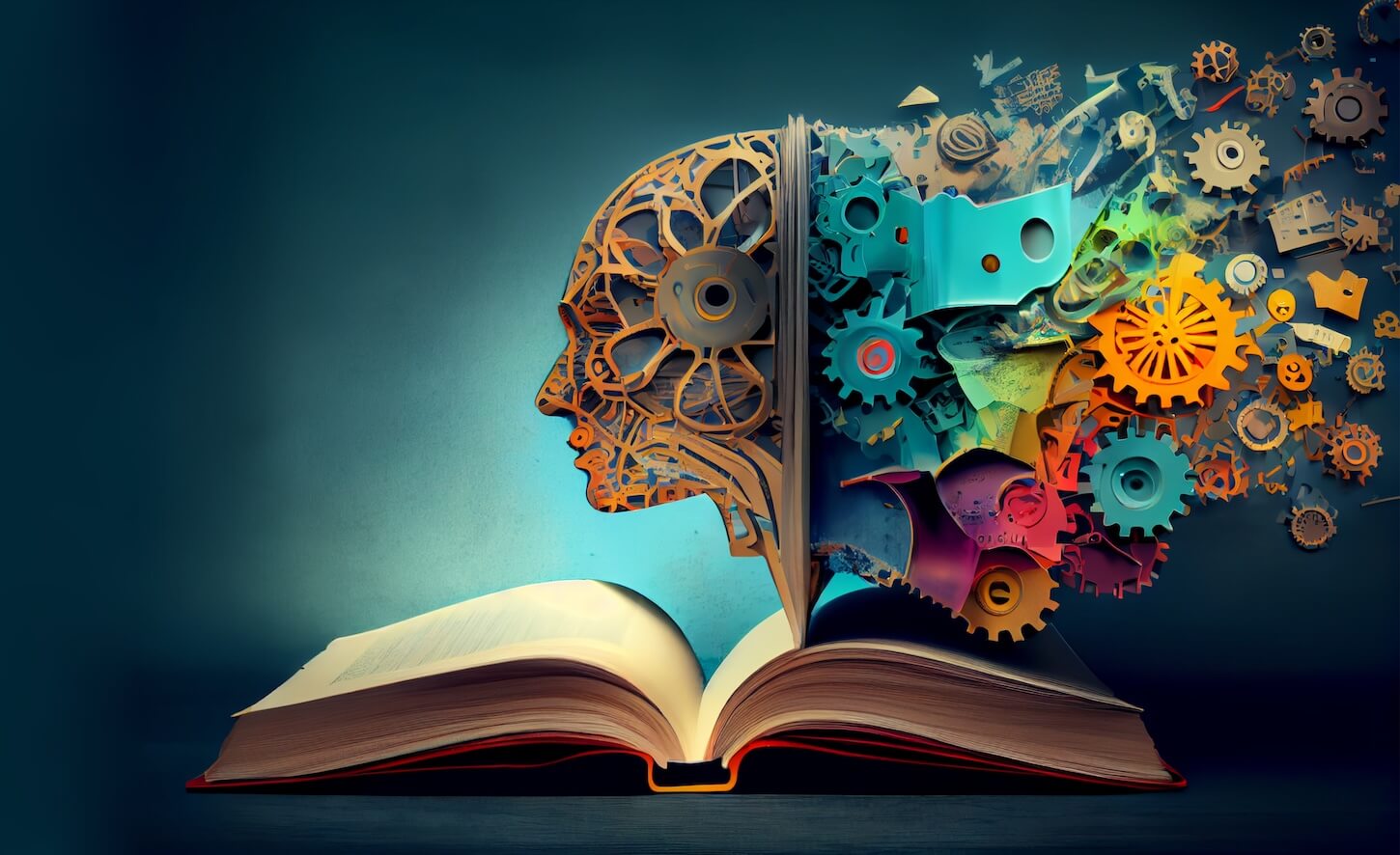
Rethinking Knowledge Management Principles for an AI-Powered World
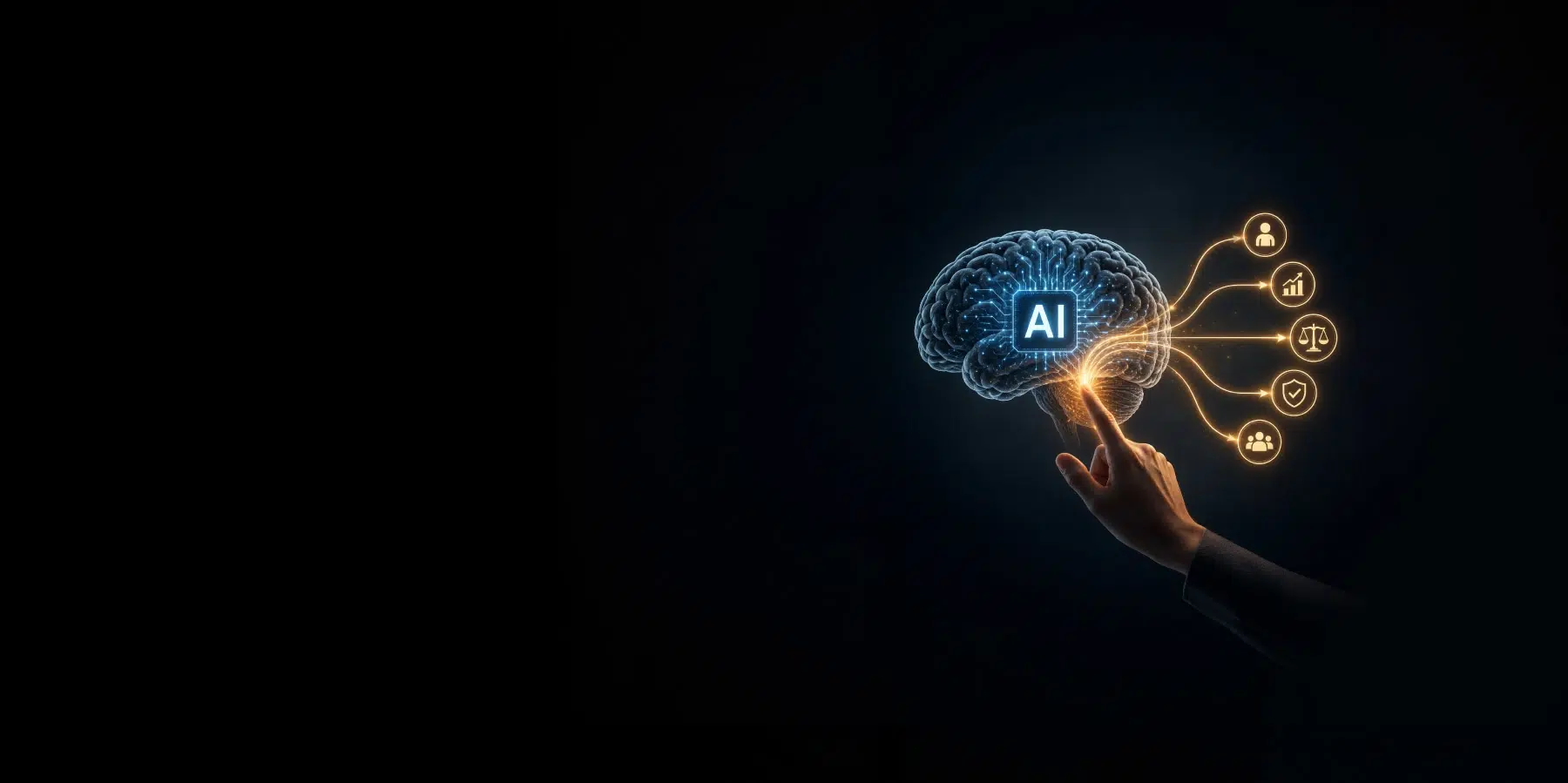
Decisional and adaptive sovereignty belong on every board’s agenda.

The death of boredom is quietly eroding creativity, identity, and self-awareness.
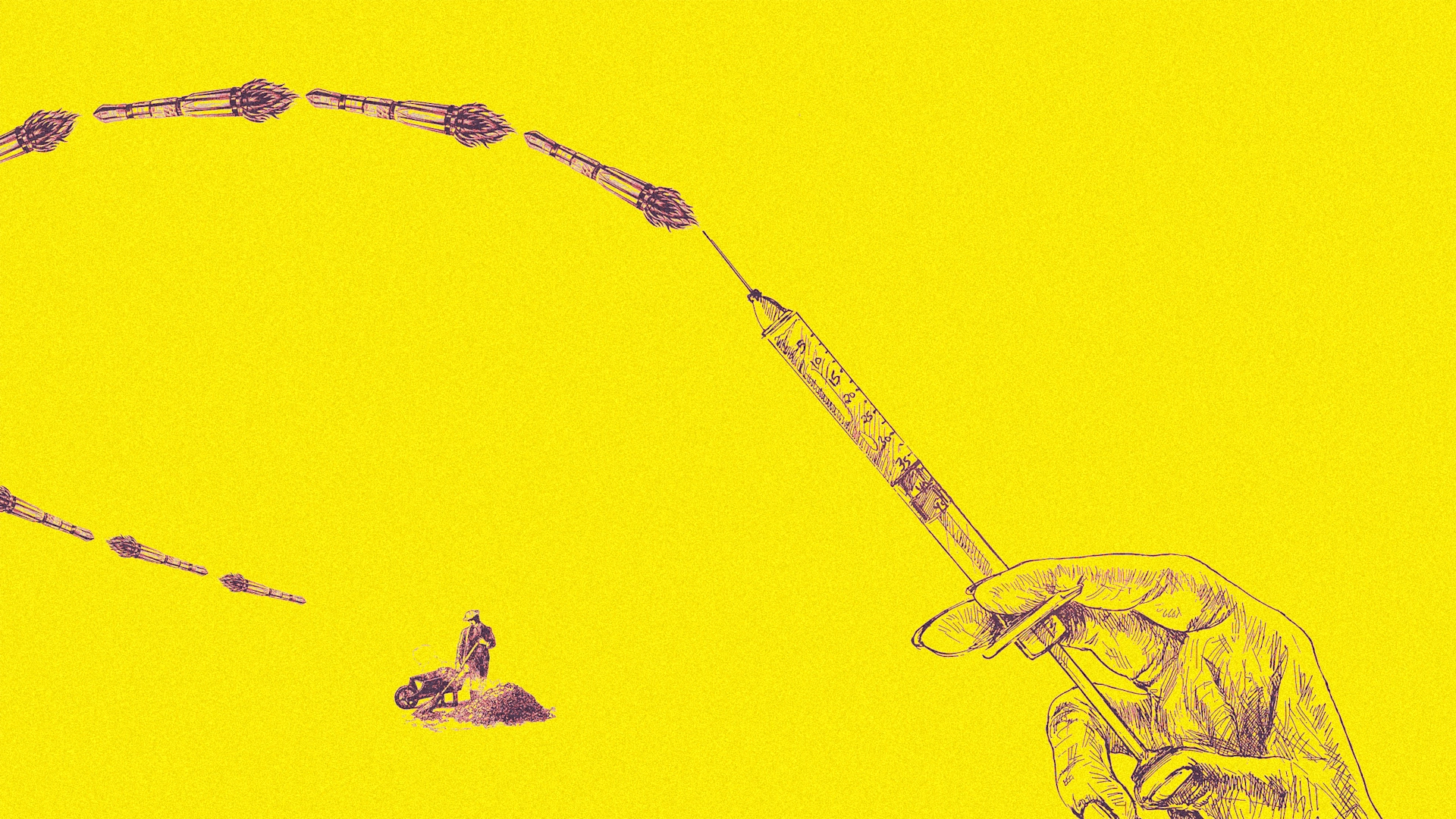
20 seconds to approve a military strike; 1.2 seconds to deny a health insurance claim. The human is in the

The things AI is taking from you don’t look like losses. They look like progress. Six things quietly disappearing from
Ease is the enemy of meaning.

Your narrative is too precious to hand over to a machine.

What gets lost when AI makes the call.
Half of U.S. workers use AI to write their messages. Here’s how to lead when machines do the talking.
Sam Altman says the singularity is here and will be ‘hugely positive, awesome for the world.’ So what is the singularity, and why does it matter?
Rethinking Knowledge Management Principles for an AI-Powered World
Decisional and adaptive sovereignty belong on every board’s agenda.

The real risk for business leaders isn’t that they will be too slow to abandon their enterprise platforms.

Our culture glorifies persistence, but the real skill is knowing when to quit.

Using AI maturity models as diagnostic tools allows organizations to build a successful transformation strategy.

Cognitive diversity is the infrastructure of America’s national security.

5 ways to find stability in chaos.
What’s missing is a repeatable management system—and a spark.
Half of U.S. workers use AI to write their messages. Here’s how to lead when machines do the talking.
Rethinking Knowledge Management Principles for an AI-Powered World
Stop looking for the last destination. Start building the next one.

If your AI roadmap assumes young people will lead adoption, you’re building on a myth.

How AI companionship weakens the psychological muscles real relationships build.
Our culture glorifies persistence, but the real skill is knowing when to quit.
Using AI maturity models as diagnostic tools allows organizations to build a successful transformation strategy.
Cognitive diversity is the infrastructure of America’s national security.

Tolerance can become a quiet form of avoidance.

Artificial Intelligence is going to diminish our sense of “I did this!”.

What we lose when an app remembers our dead for us.

Your best work was shaped by people who never took credit.

Machines may learn facts. They can’t learn to be you.
Europe is treating digital sovereignty as a question of self-determination. Every business should now do the same.
What gets lost when AI makes the call.

Why pharma-style governance doesn’t work for tech.
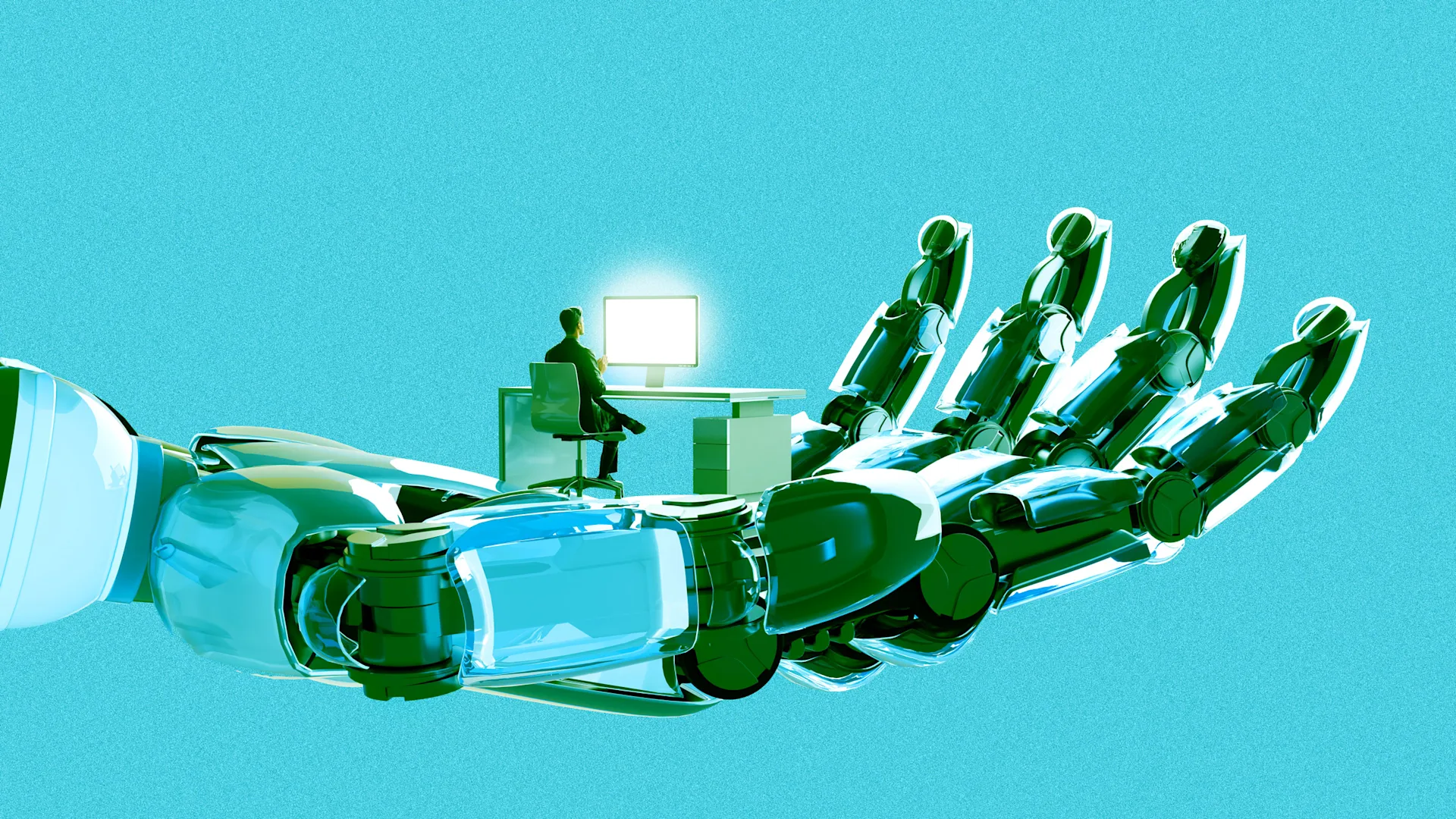
The men burning down the house are worried about the smoke.
IMD is delighted to announce the appointment of Faisal Hoque as Executive Fellow at IMD.
The real risk for business leaders isn’t that they will be too slow to abandon their enterprise platforms.
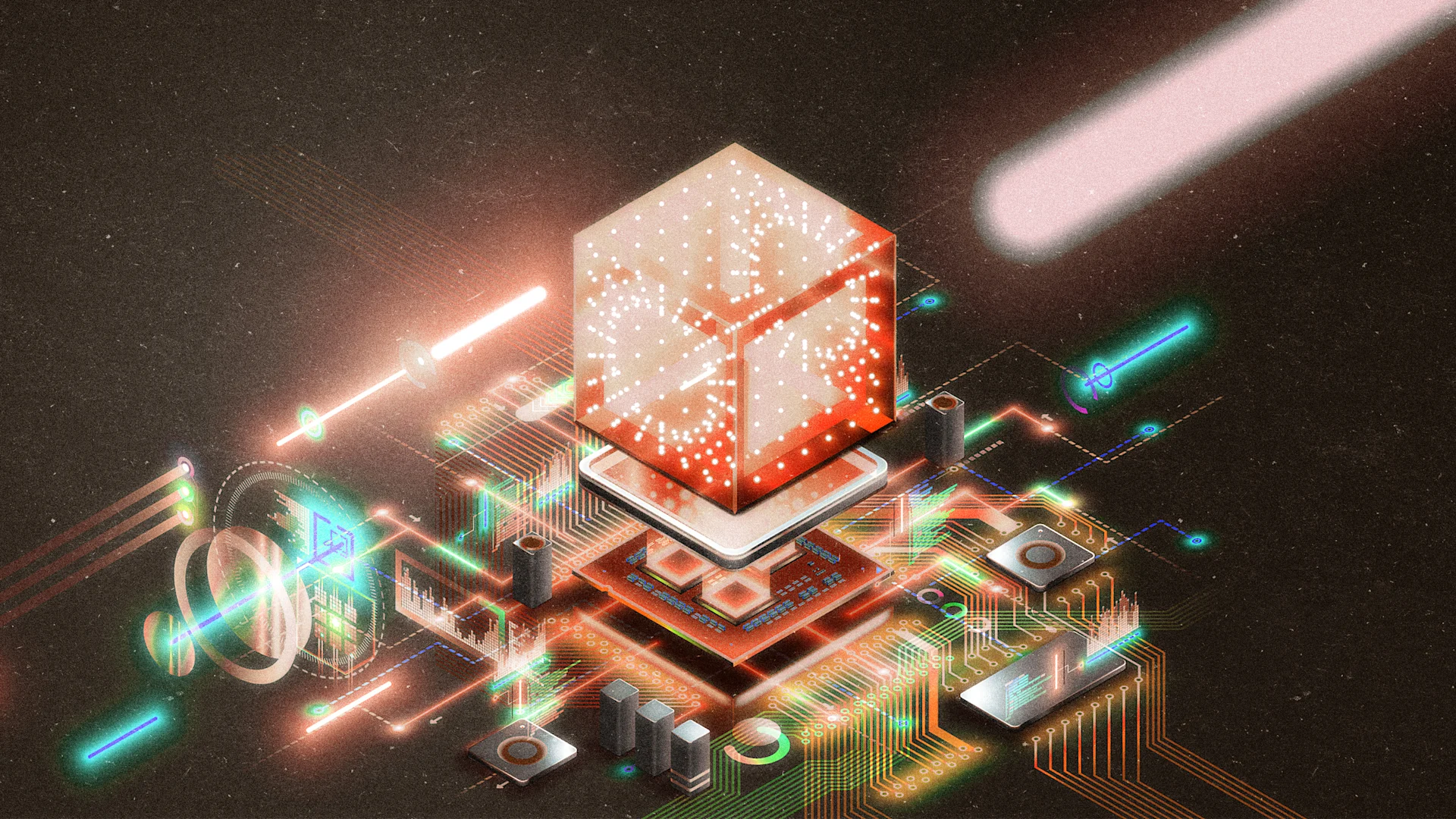
What business leaders need to do right now.
Half of U.S. workers use AI to write their messages. Here’s how to lead when machines do the talking.
If your AI roadmap assumes young people will lead adoption, you’re building on a myth.

AI is taking over the front line. Whether that deafens your company or sharpens its hearing depends on decisions leaders make now.

To understand our current moment in AI, it helps to know a little bit about diamonds.

The case for calm in a world on fire.
What gets lost when AI makes the call.
Why pharma-style governance doesn’t work for tech.
The men burning down the house are worried about the smoke.
The real risk for business leaders isn’t that they will be too slow to abandon their enterprise platforms.
What business leaders need to do right now.

The lesson isn’t to unplug — modern life won’t allow it. It’s to decide before the music starts, so there’s no choice left to make.
Stop looking for the last destination. Start building the next one.
What we lose when an app remembers our dead for us.

Working with a tireless machine makes stopping feel like failure.

Why the songs that once saved you still matter.

Why staying human will matter more than ever.

The hidden psychological work of self-leadership in the age of AI.

Why work feels less like ours—and how to get the meaning back.

How ordinary people lift impossible things, one quiet act at a time.

Why algorithms can never replace intuition.