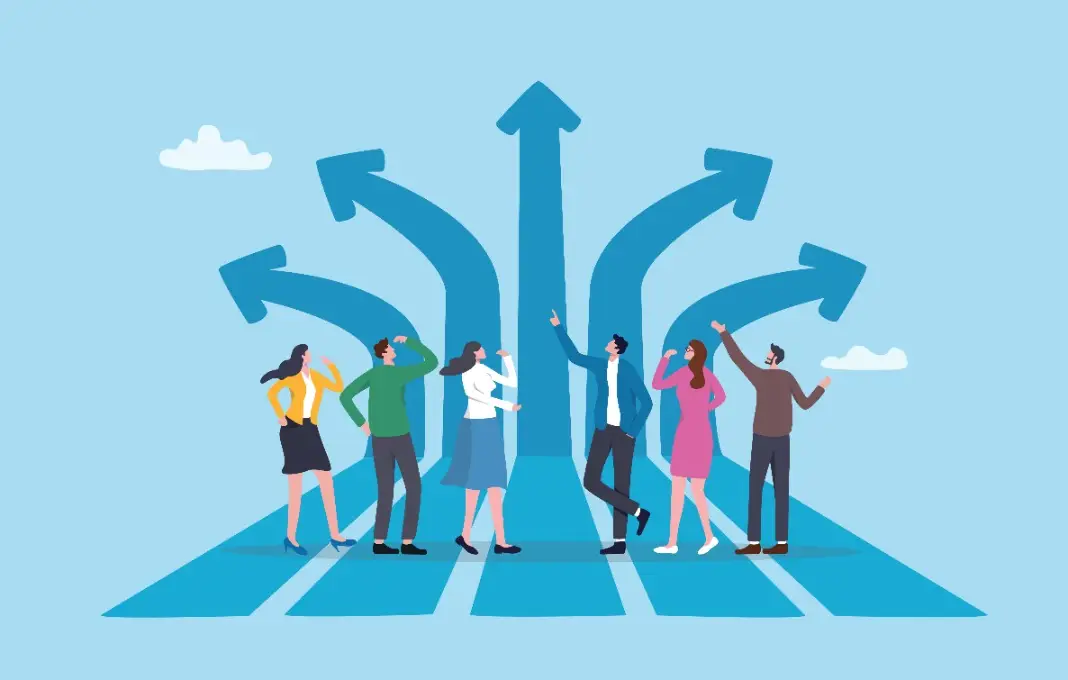
The answer isn’t less technology. It’s deciding in advance how you’ll use it.
Key Points
- Tech insiders limit their children’s technology use, and countries are now banning social media for minors.
- But abstinence is neither practical nor wise: opting out means opting out of real power.
- The answer is intentional use, built not on willpower but on choice architecture.
No man can resist the song of the sirens. Their music is so enchanting that every sailor who hears it steers toward the rocks and is destroyed.
Odysseus knew this. So when his ship approached their island, he didn’t try to resist. He had his crew plug their ears with beeswax — and he had himself chained to the mast.
I was reminded of this watching the new film The Odyssey the other day, and it struck me that in those chains lies the key to our freedom in the world of modern tech.
The Chefs Who Don’t Eat the Food They Cook
The first thing to accept is that there is something dangerous about tech. One piece of evidence is both simple and alarming: the people who know technology best are famously the most cautious about using it, particularly where their children are concerned. As early as 2010, Steve Jobs famously told a reporter that his kids hadn’t used the newly released iPad: “We limit how much technology our kids use at home.” In 2025, former Facebook executive Sarah Wynn-Williams testified before the U.S. Senate that Meta executives had told her their own teenagers weren’t allowed on Facebook or Instagram.
This instinct is now being reflected at the social level. Australia became the first country to ban social media for children under 16 in December 2025, and Denmark, France, Malaysia, and the U.K. are following with bans of their own.
Behind these moves sits a growing body of evidence: the U.S. Surgeon General warned that social media carries a “profound risk of harm” to adolescent mental health, and research keeps accumulating — on fractured attention, on sleep, and on the “cognitive debt“ we take on when we outsource our thinking to machines.
The conclusion seems obvious: Unplug. Get out while you can.
But that won’t work, and it’s not the right answer anyway.
Why Abstinence Fails
The first reason is practical: opting out is close to impossible. Try doing your banking today without a smartphone. Try parking your car, boarding a flight, or receiving your child’s school announcements. Modern life functions on the assumption that you are plugged in, and the person who is not achieves frustration rather than serenity.
The second reason is that these technologies are not merely traps. They are also powers. In my pocket I carry most of humanity’s accumulated knowledge, the ability to reach anyone on Earth, and tools of creation that a studio couldn’t have assembled 30 years ago. Renouncing all that makes you less capable of learning, building, connecting, and contributing. Refusing these powers does not seem like wisdom to me.
So we can’t leave, and we shouldn’t even want to. Once we see this, we can ask the subtler, more important question underneath, the question that I spent an entire book answering in the context of AI: How do we make sure that we are using these powers rather than being used by them?
Using the Tool vs. Being Used By It
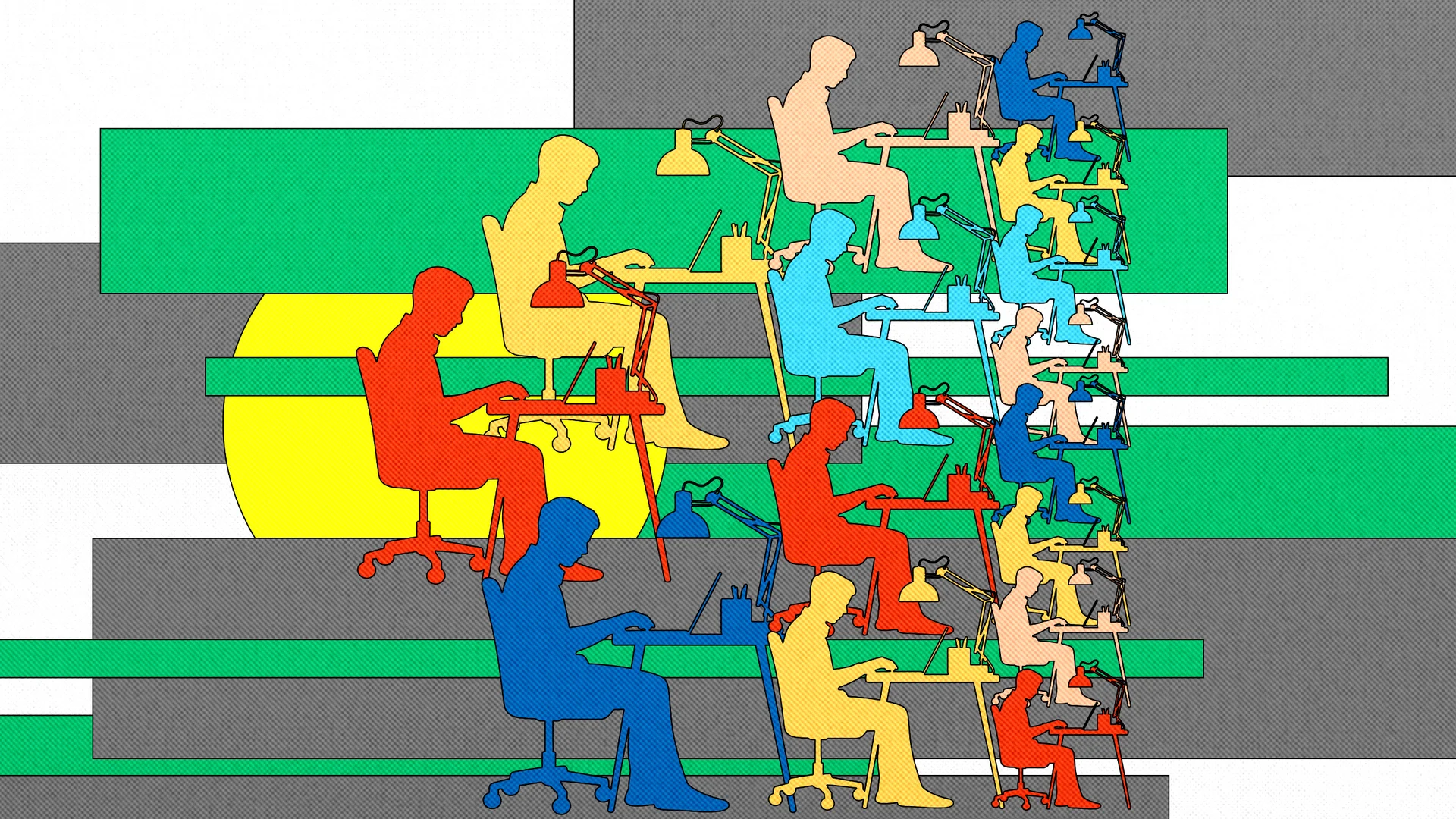
Here are two archetypal modes of using tech. In Mode 1, we choose to pick up the device for a particular purpose — someone to email, a route to find. In Mode 2, we pick it up without thinking, just fiddling with it while waiting for a bus, scrolling videos to push away difficult feelings or even just because boredom is hard to bear.
Like everyone else, I know that second mode intimately. I’ve caught myself standing in my own kitchen, coffee going cold, scrolling through something I never chose to read. Nobody made me do it. But I didn’t exactly decide to, either. In this mode, the deciding has been done for us — by an algorithm whose goals are not our goals.
Researchers have a name for Mode 1 done well: “digital balance.” Digital balance has three parts: knowing what you came to do, keeping an eye on how long you’re staying, and checking that the use actually serves what you value. People who used tech with digital balance — Mode 1 — showed markedly better attentional control and psychological well-being than the people who mostly used it in Mode 2.
Conceptually, that’s the fix — use the tech to serve your goals, rather than letting it use you to fulfill the goals of its owners. More Mode 1, less Mode 2.
But knowing the fix and living the fix are two very different things. And this is particularly true in modern tech, because it has been engineered by very smart people with the explicit aim of pulling us into Mode 2.
So how do we turn insight into action?
Don’t Resist the Machine. Rearrange It
Odysseus gave us the answer, and it is confirmed by modern psychology. Angela Duckworth, James Gross, and colleagues have shown that the most effective self-control doesn’t happen in the moment of temptation at all — it happens upstream in how we design our situations. In field experiments, students who changed their environments beat those who tried to white-knuckle it.
This is called choice architecture, and it’s simply Odysseus’s mast in scientific language. The lesson is simple: Instead of using willpower to fight the sirens in the moment, create situations that make Mode 2 difficult or even impossible to reach.
Here is how you can start doing that immediately.
4 Things You Can Try Today
- Make things pull, not push. Be intentional about your notifications. When in doubt, turn them off.
- Batch the checking. Give email and messages specific windows, and close the windows when you’re done.
- Demote the phone. Move sustained work to a laptop. Let the phone go back to being a tool rather than a portal.
- Fence off one sacred zone. Meals, the bedroom, the first half-hour after waking — one space where devices simply do not solicit you.
The Cunning Odysseus
Odysseus defeated the sirens before he engaged with them: on the deck of the ship, in advance, with rope. So when the song began, there was no choice left to make. That is the model.
The insiders and the legislators are right about the danger, and the way to deal with it is to decide, before the music starts, what kind of sailor you’re going to be.
[Source: photoguns / Adobe Stock]
Original article @ Psychology Today.