
What’s the difference between artificial intelligence and synthetic intelligence —and why does it matter?
To understand our current moment in AI, it helps to know a little bit about diamonds.

To understand our current moment in AI, it helps to know a little bit about diamonds.
Decisional and adaptive sovereignty belong on every board’s agenda.
Three philosophical proficiencies for leading in a world where old certainties are breaking down.

Here’s how to build the new capabilities.

Panic feels like action. It isn’t.
The men burning down the house are worried about the smoke.

How AI companionship weakens the psychological muscles real relationships build.
What business leaders need to do right now.
The meaning of the word is being stretched thin. Leaders who don’t truly understand it are setting themselves up for

Tolerance can become a quiet form of avoidance.
To understand our current moment in AI, it helps to know a little bit about diamonds.
Decisional and adaptive sovereignty belong on every board’s agenda.
Three philosophical proficiencies for leading in a world where old certainties are breaking down.
Here’s how to build the new capabilities.
Here’s how to stand out.

Four questions to guide the implementation of responsible AI – and how Confucius and Adam Smith can help.

Any level of misalignment between technical choices and the SEA can cause the failure of an AI initiative.
Companies need a Chief Innovation and Transformation Officer to oversee the AI cultural shifts.
Organizations that view AI as just another technology project will increasingly find themselves irrelevant.

Working with a tireless machine makes stopping feel like failure.
Decisional and adaptive sovereignty belong on every board’s agenda.
Three philosophical proficiencies for leading in a world where old certainties are breaking down.

Hesse wrote a man who had everything, felt nothing—and wrote the way out.

Following on from our IMD Brain Circuit on the risks that can arise from your own implementation of AI, here’s

The strongest person you know is running on empty. It might be you.

AI poses dual threats to organizations. Here’s how to manage the negative consequences that can arise from your own implementation

The future belongs to people who can think with AI—without thinking like it.

The problem is not the technology – it is the absence of three critical leadership capabilities.

The death of boredom is quietly eroding creativity, identity, and self-awareness.

Your best work was shaped by people who never took credit.

Machines may learn facts. They can’t learn to be you.
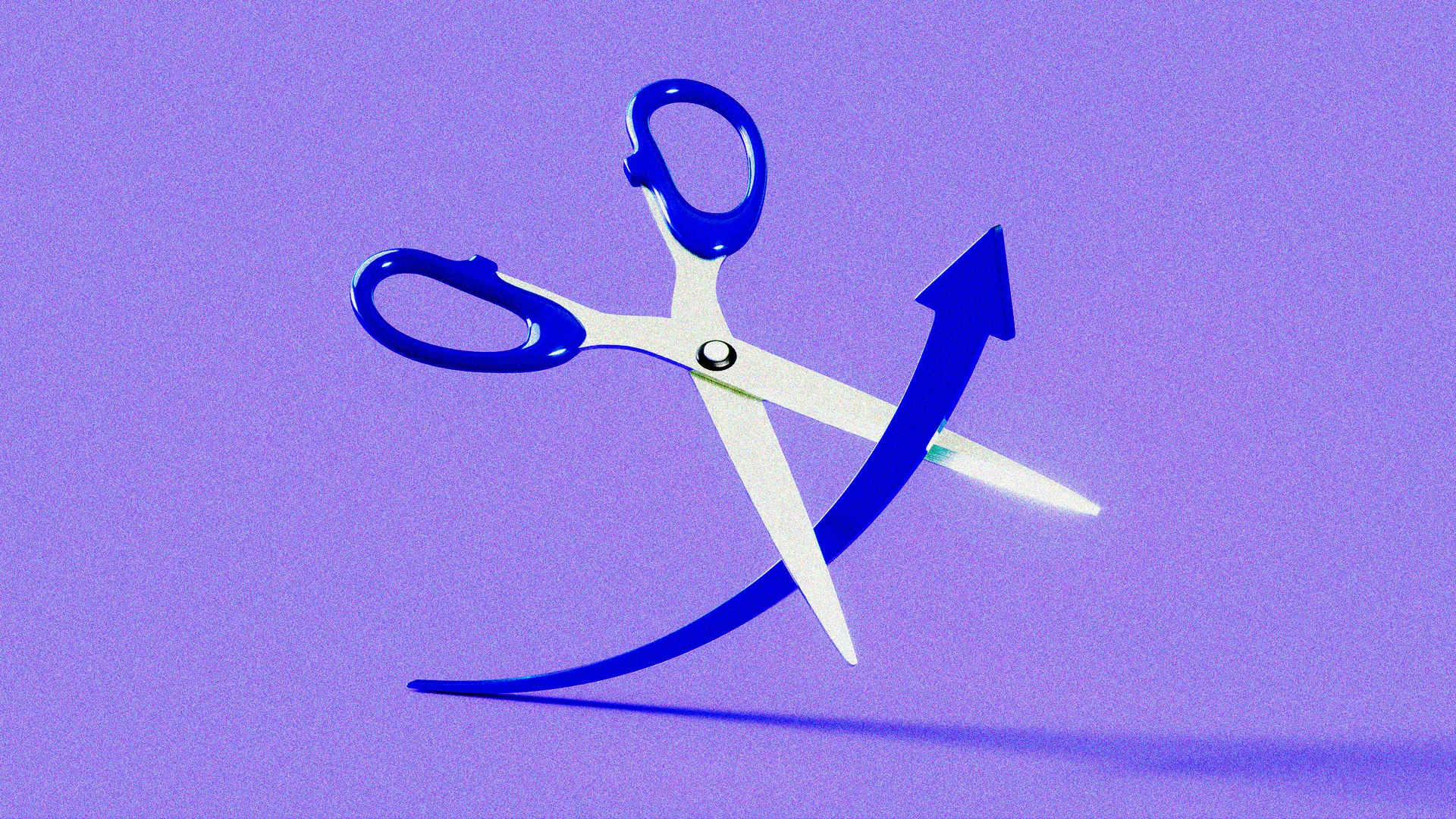
Europe is treating digital sovereignty as a question of self-determination. Every business should now do the same.

How to maintain your edge—and your humanity—as AI redefines the workplace.
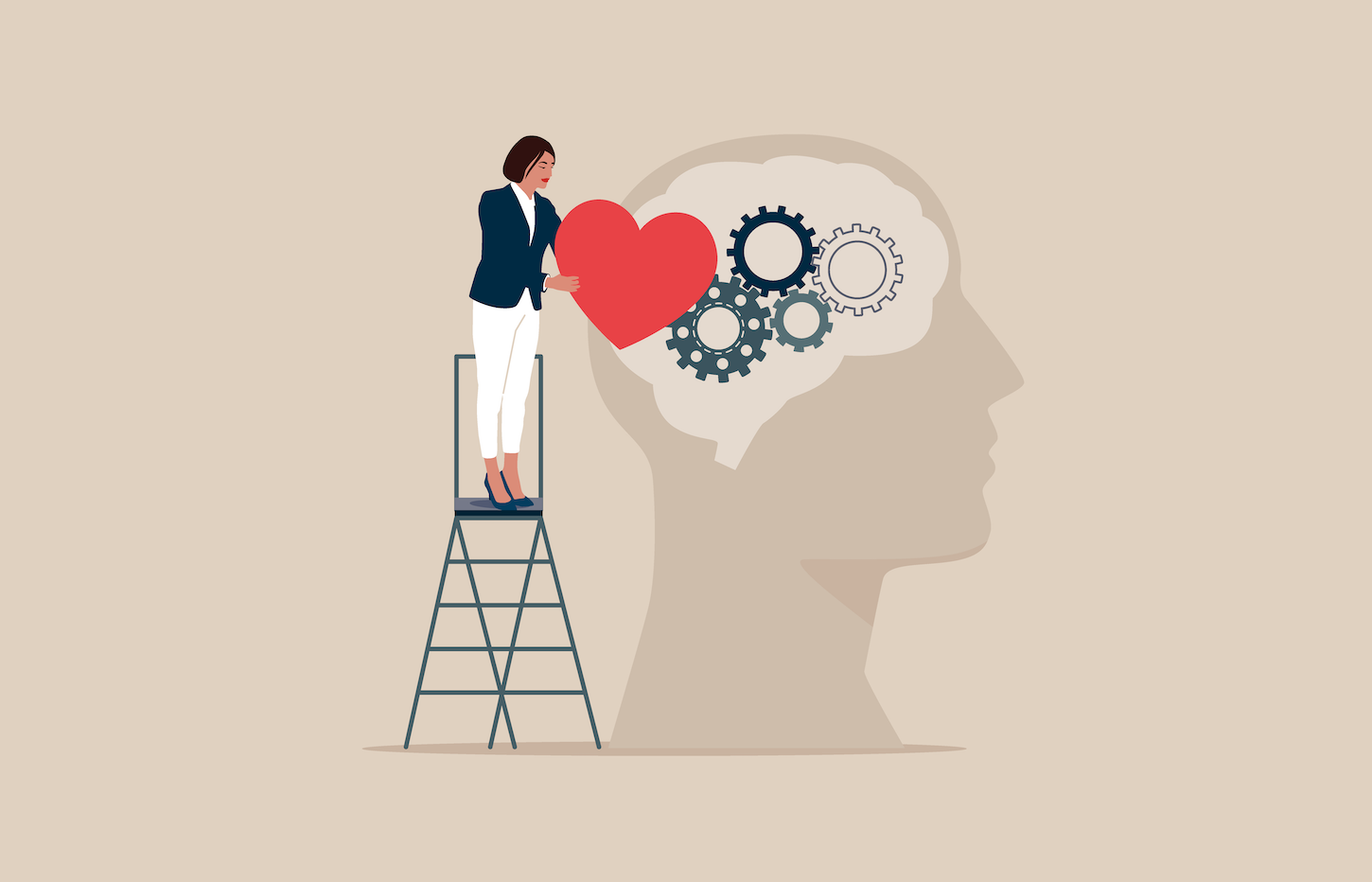
Why AI’s future depends on understanding human emotion, not just patterns.

We need intentional direction not constant change and disruption.

Today’s managers have to guide both human professionals and AI systems.

What an Amazonian tribe teaches us about technology.

Why the future of food must stay human in a world obsessed with efficiency.
CEOs who fail to develop comprehensive strategies risk being left behind.
To understand our current moment in AI, it helps to know a little bit about diamonds.

The leaders who keep their edge will be the ones who resist the temptation to hand over judgments to machines.
Decisional and adaptive sovereignty belong on every board’s agenda.

The world’s most competitive economies are also its most carefully governed. The same logic is starting to decide which companies win with AI.
Three philosophical proficiencies for leading in a world where old certainties are breaking down.
Europe is treating digital sovereignty as a question of self-determination. Every business should now do the same.
How to maintain your edge—and your humanity—as AI redefines the workplace.

These two specific types stand out.
Here’s how to build the new capabilities.

Six 90-day plans that provide a comprehensive roadmap for AI transformation.
Working with a tireless machine makes stopping feel like failure.
Your best work was shaped by people who never took credit.
Machines may learn facts. They can’t learn to be you.
Hesse wrote a man who had everything, felt nothing—and wrote the way out.
The strongest person you know is running on empty. It might be you.
The future belongs to people who can think with AI—without thinking like it.
The death of boredom is quietly eroding creativity, identity, and self-awareness.

On learning to live—and lead—in a life that never fully settles.

The things AI is taking from you don’t look like losses. They look like progress. Six things quietly disappearing from

Ease is the enemy of meaning.